About Natural History Museum
Alfred Waterhouse's terracotta cathedral of natural history holds 80 million specimens, from the iconic Hintze Hall blue whale to the Darwin Centre cocoon.
Founded in 1881, Natural History Museum has been welcoming visitors for over 145 years. Today it draws approximately 5,800,000 visitors annually, making it one of the most-visited natural history museums in the world. Located in London, United Kingdom, the museum holds a rating of 4.8 out of 5 based on 96,000 traveller reviews, reflecting its enduring appeal to both first-time visitors and returning enthusiasts.
A visitor's perspective
Natural History Museum begins with awe. stepping through the entrance, you are confronted with the sheer scale of the natural world — Hintze Hall blue whale 'Hope', mineral specimens that glow with impossible colours, dioramas that transport you to ecosystems you may never visit in person. The morning light lends a particular quality to the experience, with light filtering through the galleries to illuminate four billion years of Earth's history.
The collection at Natural History Museum spans paleontology, geology, zoology, botany, and beyond. Among the treasures are Dinosaur gallery, Earth Hall escalator, and Darwin Centre Cocoon, each representing a chapter in the planet's story. What makes the experience genuinely educational rather than merely spectacular is the curation: connections between exhibits — between a fossil and a living species, between a rock and the mountain it came from — are drawn with clarity and precision.
The museum is bustling with visitors from every corner of the globe. As one of the most popular museums in United Kingdom, weekday mornings are essential for a contemplative visit. Children are particularly well catered for — interactive stations, touchable specimens, and discovery rooms make this one of the most family-friendly museum categories in the world. The Victorian-era architecture adds grandeur to the experience, with galleries that feel like cathedrals of science.
Walking out of Natural History Museum, you carry a recalibrated sense of time. Human history feels briefly insignificant against the backdrop of geological epochs and mass extinctions. And yet, the museum's implicit message — that we are part of this story, not separate from it — leaves most visitors with a deepened appreciation for the natural world and an urgent sense that it is worth protecting.
Exhibition highlights at Natural History Museum
The permanent collections at Natural History Museum span paleontology, mineralogy, zoology, botany, and Earth sciences. Star exhibits include Hintze Hall blue whale 'Hope', Dinosaur gallery, Earth Hall escalator, each representing a different chapter in the planet's 4.5-billion-year story. Dinosaur galleries are, naturally, among the most popular — expect mounted skeletons, reconstructions, and increasingly, animatronic models that bring extinct species to startling life. Mineral and gem collections reward close inspection: individual specimens can be astonishingly beautiful. The biodiversity galleries, documenting current species alongside extinct ones, carry an implicit conservation message that grows more urgent with every passing year. Diorama halls — where taxidermied specimens are placed in recreated habitats — are a particular art form that natural history museums excel at. Many visitors find these painted backgrounds and carefully arranged scenes more evocative than any screen. Temporary exhibitions often focus on current scientific research: climate change, deep-sea exploration, or newly discovered species.
Why visit Natural History Museum
Natural History Museum is one of those institutions where the experience goes beyond simply looking at exhibits. Whether you are a dedicated natural history enthusiast or a casual visitor exploring London, here is why this museum deserves a spot on your itinerary:
- 1.World-class natural history collection — Natural History Museum houses a collection that has earned it a #17 ranking in our global composite index. Signature pieces include Hintze Hall blue whale 'Hope' and Dinosaur gallery, alongside many others that reward close attention.
- 2.London as a cultural destination — London is home to 15 museums on our editorial ranking, including British Museum. Visiting Natural History Museum positions you in one of United Kingdom's most museum-rich cities, making it easy to combine multiple visits.
- 3.Centuries of heritage — With over 1 centuries of history since its founding in 1881, Natural History Museum has had time to build one of the deepest collections in its field.
- 4.Highly rated by visitors — A 4.8/5 rating from 96,000 reviews places it in the top tier of visitor-rated museums worldwide. Visitors note that the sheer scale of the collection justifies the extended visit time.
The collection at Natural History Museum
Natural History Museum brings the natural world and scientific discovery to life through immersive exhibits and research-grade collections. Visitors can explore themes ranging from paleontology and biodiversity to geology and evolution. Among the standout exhibits are Hintze Hall blue whale 'Hope', Dinosaur gallery, Earth Hall escalator. Its 5,800,000 annual visitors — many of them families and school groups — speak to its success in making complex subjects accessible.
Beyond the headline pieces, the museum rewards visitors who explore its less-publicised galleries. Works such as Darwin Centre Cocoon, Treasures gallery, Wildlife Photographer of the Year represent the depth and breadth of the collection that keeps repeat visitors returning.
Why Natural History Museum ranks #17
Our editorial ranking blends data from TripAdvisor Travelers' Choice awards, AECOM/TEA annual attendance figures, and coverage in leading travel publications including Condé Nast Traveler, Time Out, National Geographic and The Times. Ranking at #17, Natural History Museum is one of the fifty most acclaimed museums on our composite index — a destination that serious museum-goers and casual visitors alike should have on their list. Key recognitions include: AECOM Top 10, Free entry.
Must-see highlights
With a recommended visit time of 2–4 hours, planning your route through Natural History Museum is essential. Here are the standout works and spaces that should be at the top of your list:
- ◆Hintze Hall blue whale 'Hope'
- ◆Dinosaur gallery
- ◆Earth Hall escalator
- ◆Darwin Centre Cocoon
- ◆Treasures gallery
- ◆Wildlife Photographer of the Year
Recognition & awards
Natural History Museum has received recognition from multiple authoritative sources in the museum and travel industry:
Planning your visit
A visit to Natural History Museum is one of the highlights of any trip to London. Here is everything you need to know to plan a smooth, enjoyable visit.
Opening hours: Daily 10:00–17:50. Free. Hours may vary on public holidays and during special events, so we recommend checking the museum's official website before your visit.
How long to spend: Most visitors recommend setting aside 2–4 hours for a thorough visit. If you are short on time, focus on the highlights listed above and consider purchasing a skip-the-line ticket to maximise your time inside.
Best time to visit: As one of the world's most-visited museums with 5,800,000 annual visitors, Natural History Museum can get very crowded. Weekday mornings — especially Tuesday and Wednesday — tend to be the quietest. Avoid weekends and school holidays if possible.
Getting there: Natural History Museum is located in London, United Kingdom at coordinates 51.4967°N, -0.1764°E. In a major city like London, public transport is typically the most convenient way to reach the museum. Most visitors arrive by metro, bus or tram. View on Google Maps →
Tickets and pricing: Admission to Natural History Museum is free, making it one of the best-value museum experiences in United Kingdom. Some special exhibitions may require a separate ticket.
Visitor tips: Given the size of this museum, comfortable shoes are essential. Consider splitting your visit across two days if your schedule allows. The museum likely has a cloakroom where you can leave bags and coats. Check the official website for any temporary closures, special exhibitions and advance booking requirements.
Accessibility: Most major museums offer wheelchair access, audio guides, and materials in multiple languages. Contact Natural History Museum directly for specific accessibility provisions, including guided tours for visitors with visual or hearing impairments.
Best season to visit: Spring (April–May) and autumn (September–October) offer the best balance of pleasant weather and manageable crowds. Summer brings peak tourism and longer opening hours, while winter offers shorter queues but reduced daylight.
How to plan your time: Set aside at least half a day. The collection is extensive enough that rushing diminishes the experience, but focused enough that you can see the major highlights without feeling overwhelmed.
Photography policy: The museum generally permits photography for personal use without flash. Professional photography and video require advance permission. Respect any restricted areas, particularly in temporary exhibition spaces.
Guided tours and audio guides: Audio guides are available in several languages and cover the main highlights with informed commentary. Natural History Museum also offers scheduled guided tours led by museum educators, which are worth joining if your timing aligns. For specialist interests, some museums offer themed tours focusing on specific periods, media, or curatorial themes.
Detailed accessibility information: Natural History Museum offers wheelchair access to the main exhibition areas, with ramps and lifts provided. Audio guides, large-print materials, and tactile resources for visitors with visual impairments are typically available at the main desk. Visitors with mobility needs should enquire about wheelchairs available for loan at the entrance. The museum recommends contacting them in advance for visitors with specific access requirements, as some galleries may be temporarily restricted during renovation works.
Nearby attractions: London offers plenty of cultural attractions within easy reach of Natural History Museum. The neighbouring streets offer excellent dining, shopping, and green spaces.
History of Natural History Museum
Natural History Museum was established in 1881, giving it over a century of continuous operation as a cultural institution. Over the centuries, it has grown from its original collection to become a major cultural landmark in London. With 5,800,000 annual visitors, it plays a vital role in United Kingdom's cultural tourism economy and stands as one of the most important natural history museums in the Europe region.
Natural History Museum was established during the late 19th century, an era when European nations were competing to build cultural institutions that expressed national identity and civic pride. The museum's founding collection reflected the tastes and priorities of its era — objects chosen for their historical and educational significance — but subsequent curators have expanded and reinterpreted the holdings to reflect a more inclusive understanding of cultural achievement.
In the 14 decades since its founding, Natural History Museum has evolved from a primarily local institution serving London's educated classes into a museum of national and international significance. Major milestones include building expansions, landmark acquisitions, and — in more recent decades — a rethinking of how museums can be more inclusive, accessible, and relevant to diverse audiences.
Other top natural history museums
If you enjoy natural history museums like Natural History Museum, you may also want to explore these highly-ranked institutions in the same category:
- #15Smithsonian National Museum of Natural HistoryWashington, United States
- #16American Museum of Natural HistoryNew York, United States
- #44Field Museum of Natural HistoryChicago, United States
- #58Smithsonian National Zoo (& Conservation)Washington, United States
- #66Royal Ontario MuseumToronto, Canada
More museums in London
London is home to 15 museums on our editorial ranking. If you are visiting the city, consider combining your trip to Natural History Museum with these nearby institutions:
- #4British Museum🖼️ Art & Encyclopedic
- #12Tate Modern🎨 Modern & Contemporary
- #14National Gallery🖼️ Art & Encyclopedic
- #41Victoria and Albert Museum🪑 Design & Decorative
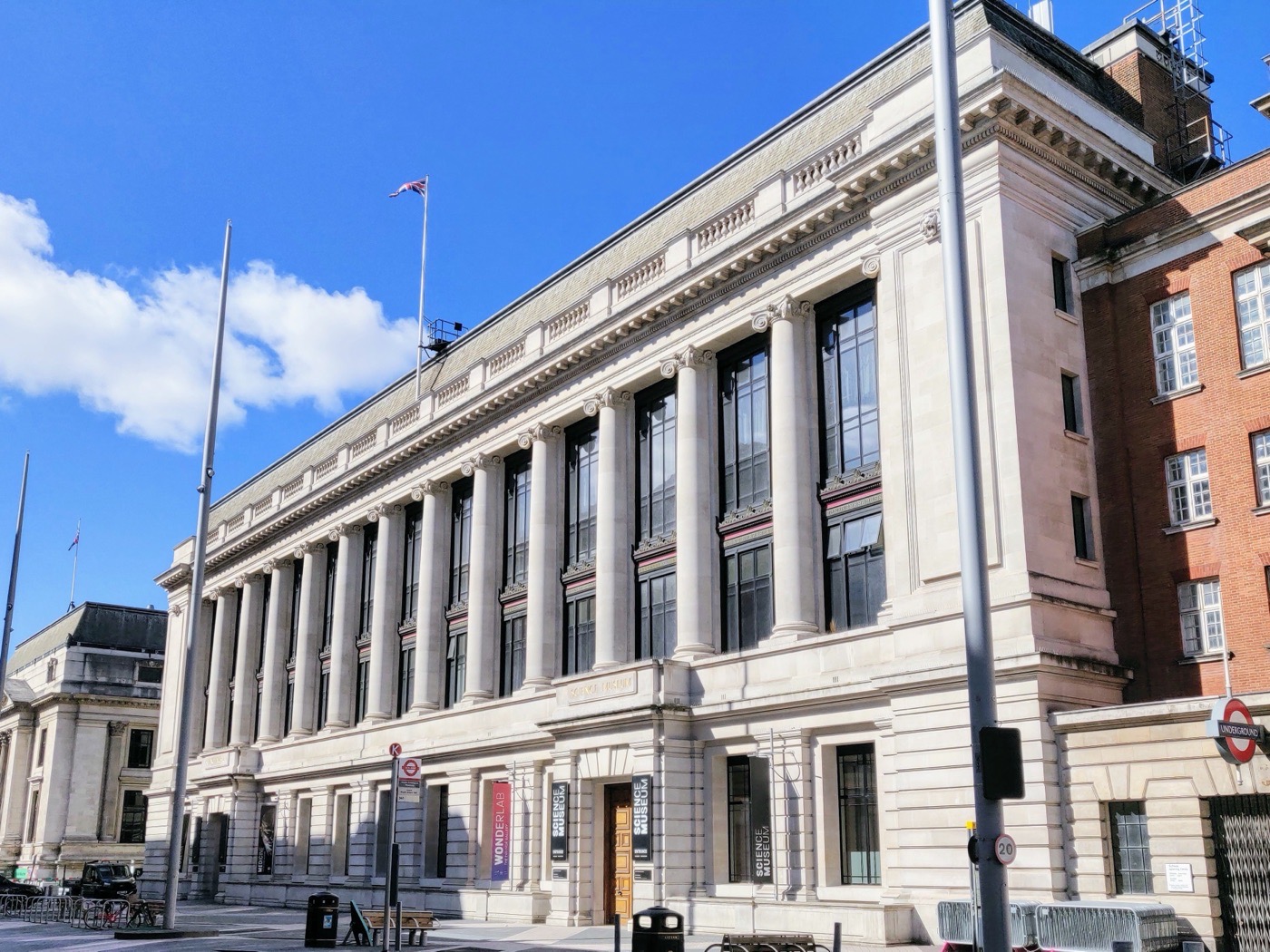
- #42Science Museum🔬 Science & Industry
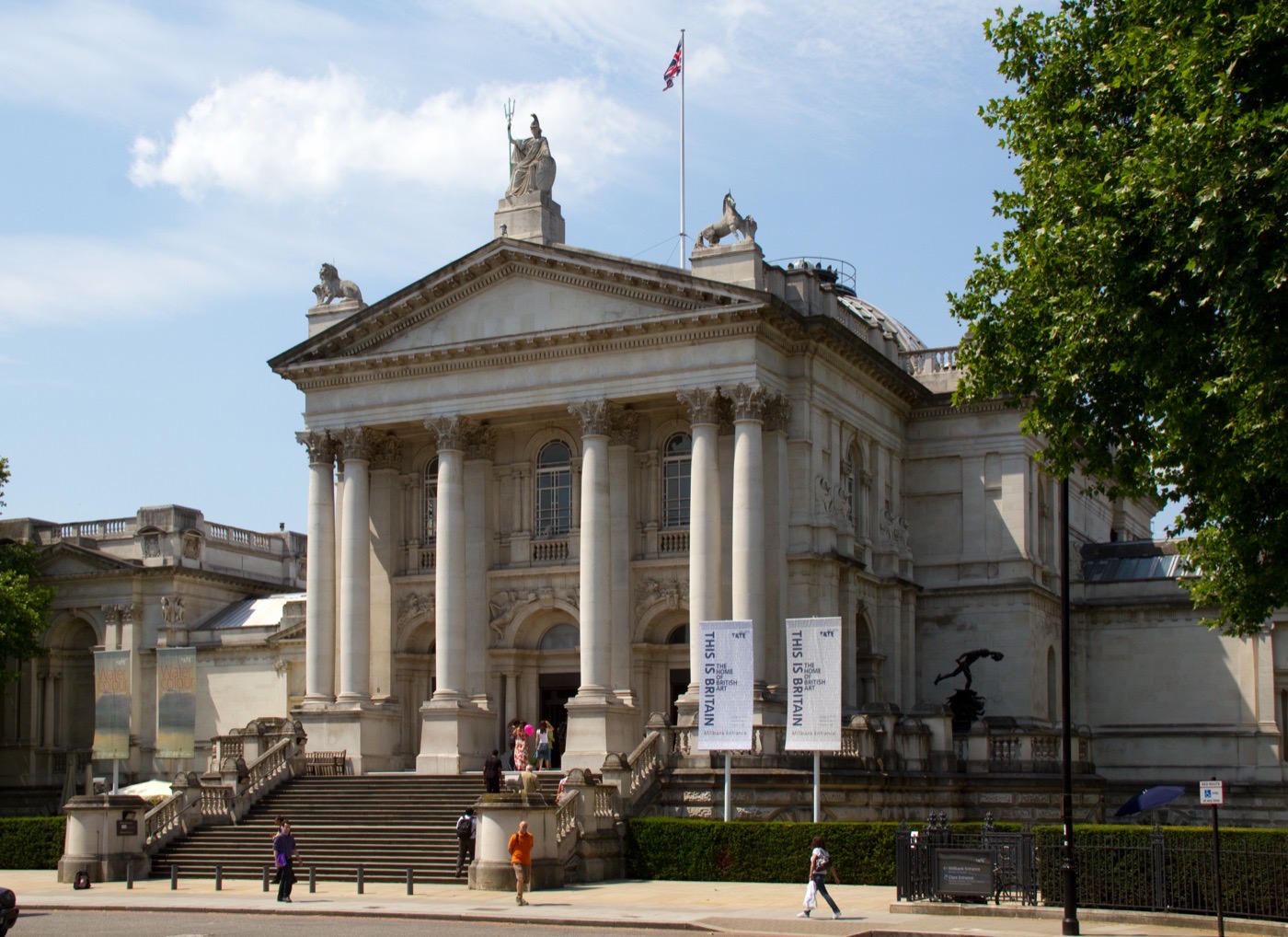
- #65Tate Britain🖼️ Art & Encyclopedic
- #154Imperial War Museum London🏛️ History & Civilization
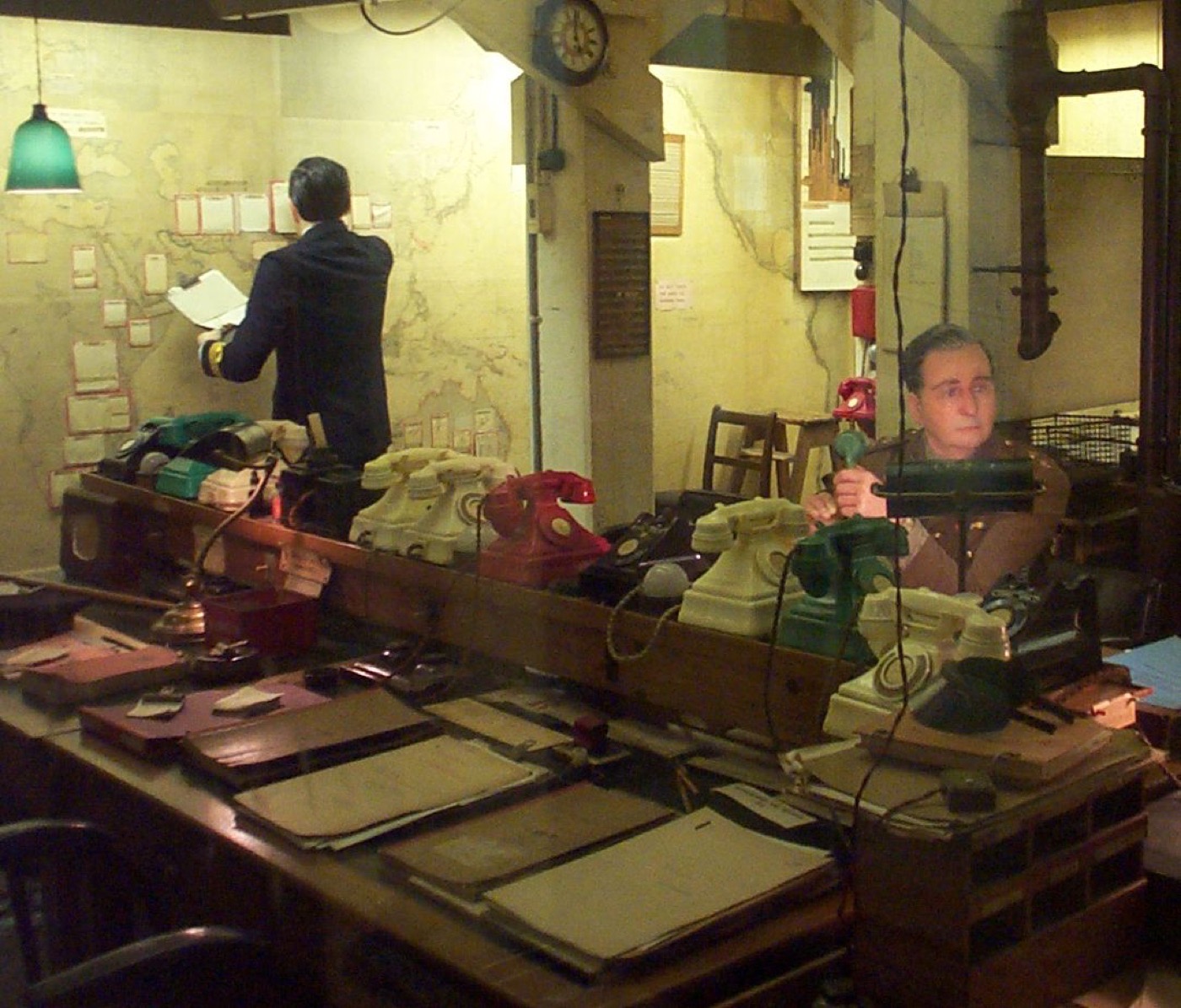
- #155Churchill War Rooms🏛️ History & Civilization
Top museums across United Kingdom
Beyond London, United Kingdom is home to world-class museums in other cities. If you are planning a wider trip, these are among the highest-ranked:
- #99Ashmolean MuseumOxford
- #100Fitzwilliam MuseumCambridge
- #113Te Papa Wai – Ulster MuseumBelfast
- #151National Museum of ScotlandEdinburgh
- #152Kelvingrove Art Gallery and MuseumGlasgow
- #153Burrell CollectionGlasgow
About London's museum scene
London is one of the world's great museum cities, with 15 institutions featured in our editorial ranking alone. The city's museums collectively span natural history, art & encyclopedic, modern & contemporary, design & decorative, science & industry, history & civilization — making it possible to spend several days exploring its cultural offerings without repeating a theme.
Natural History Museum fits into this landscape as the city's #4 ranked museum on our global composite. Visitors with limited time should prioritise Natural History Museum alongside British Museum and Tate Modern, which together offer a well-rounded introduction to London's cultural identity.
For a full list of museums in London, see the individual museum pages linked below. Many are within walking distance of each other, making it feasible to visit two or three in a single day.
Frequently asked questions
What are the opening hours of Natural History Museum?
Daily 10:00–17:50. Free. We recommend checking the official website before your visit as hours may change on public holidays or during special events.
How long should I spend at Natural History Museum?
Most visitors recommend spending 2–4 hours for a comprehensive visit. If you are short on time, prioritise the must-see highlights listed above.
Where is Natural History Museum located?
Natural History Museum is located in London, United Kingdom. The exact coordinates are 51.4967°, -0.1764°. You can find directions via Google Maps.
What is Natural History Museum known for?
Hope the blue whale and a Romanesque cathedral of nature. Key highlights include Hintze Hall blue whale 'Hope', Dinosaur gallery, Earth Hall escalator. The museum holds a 4.8/5 rating from 96,000 reviews.
How many people visit Natural History Museum each year?
Natural History Museum receives approximately 5,800,000 visitors per year, making it one of the most-visited museums in United Kingdom.
When was Natural History Museum founded?
Natural History Museum was founded in 1881, making it 145 years old. It is categorised as a natural history museum in our directory.
Is Natural History Museum worth visiting?
Yes. Natural History Museum ranks #17 in our global composite ranking of the world's best museums, based on TripAdvisor Travelers' Choice data, AECOM/TEA attendance figures, and coverage in publications like Condé Nast Traveler and National Geographic. Its exceptional visitor ratings confirm that the vast majority of visitors consider it a highlight of their trip.
What type of museum is Natural History Museum?
Natural History Museum is classified as a Natural History museum in our directory. It covers natural history, including paleontology, geology, zoology, and biodiversity.
What are the must-see exhibits at Natural History Museum?
Our editorial team recommends prioritising: Hintze Hall blue whale 'Hope', Dinosaur gallery, Earth Hall escalator, Darwin Centre Cocoon. There are also 2 additional highlights worth seeing if time allows.
Is Natural History Museum suitable for children?
Yes. Natural History Museum is one of the most family-friendly museum categories, with interactive exhibits, discovery rooms, and educational programmes designed specifically for young visitors. Children under a certain age often receive free or discounted admission.
Can I take photographs inside Natural History Museum?
Photography without flash is generally permitted in the permanent galleries of Natural History Museum. Temporary exhibitions and certain loaned works may have restrictions — look for signage at gallery entrances. Tripods, selfie sticks, and professional equipment typically require advance permission. Video recording policies vary by section.
Is there a gift shop at Natural History Museum?
Yes. Natural History Museum has a museum shop offering educational toys, science kits, books, fossils, mineral specimens, and themed souvenirs. The shop is accessible without a museum ticket and is worth browsing — museum shops often stock items you will not find elsewhere in London.
Does Natural History Museum have a café or restaurant?
Most major museums of this calibre include at least one on-site café or restaurant. Natural History Museum offers dining options ranging from a casual café for quick refreshments to a restaurant serving fuller meals. During peak hours, the café can be busy — consider eating slightly before or after the standard lunch period. The surrounding area of London also offers plenty of dining alternatives within walking distance.
How do I get to Natural History Museum by public transport?
Natural History Museum is located in London, United Kingdom. As a major city with excellent public transport, London makes reaching the museum straightforward — metro, bus, and tram connections typically serve the museum directly or bring you within a short walk.
Is there wheelchair access at Natural History Museum?
Natural History Museum provides wheelchair access to the principal exhibition areas. Lifts, ramps, and accessible restrooms are available. Wheelchairs can often be borrowed free of charge at the main entrance. Visitors with specific accessibility needs should contact the museum in advance to confirm current provisions, as renovation works may temporarily affect access to certain areas.
What is the best day to visit Natural History Museum?
Given the high visitor numbers, weekday mornings — especially Tuesday, Wednesday, and Thursday — tend to be the quietest. Avoid Mondays (many museums are closed on Mondays) and weekends. School holidays and public holidays bring peak crowds. Late afternoon and evening openings (where offered) are another good option.
How much does it cost to visit Natural History Museum?
Admission to Natural History Museum is free, though some special exhibitions may require a separate ticket. Donations are welcomed. Even at free-entry museums, booking a timed slot online can save queuing time during busy periods.
Can I visit Natural History Museum with a guided tour?
Yes. Natural History Museum offers audio guides and scheduled group tours that cover the collection highlights with expert commentary. Private tours may be arranged for groups. During peak season, guided tours fill quickly — book in advance through the museum's website. For independent visitors, the audio guide is an excellent alternative that allows you to set your own pace.
What should I see first at Natural History Museum?
Start with the museum's most celebrated works: Hintze Hall blue whale 'Hope', Dinosaur gallery, Earth Hall escalator. These are the objects that define Natural History Museum's reputation and should be seen when your attention is freshest. Given the museum's size, trying to see everything in one visit is counterproductive — focus on the highlights and allow yourself to be drawn into quieter galleries as time permits. The museum's information desk can provide a recommended route based on your available time and interests.
Does Natural History Museum have temporary exhibitions?
Yes. Natural History Museum maintains an active programme of temporary exhibitions that complement and extend the permanent collection. These rotating shows range from blockbuster international shows to focused scholarly presentations and emerging artist showcases. Temporary exhibitions may require a separate ticket. Check the museum's website for current and upcoming shows before your visit — some are worth timing a trip around.
Is Natural History Museum crowded?
Yes, Natural History Museum is one of the world's most-visited museums and can be very crowded, particularly during weekends, school holidays, and summer months. Timed-entry tickets, early morning arrivals, and weekday visits significantly improve the experience.