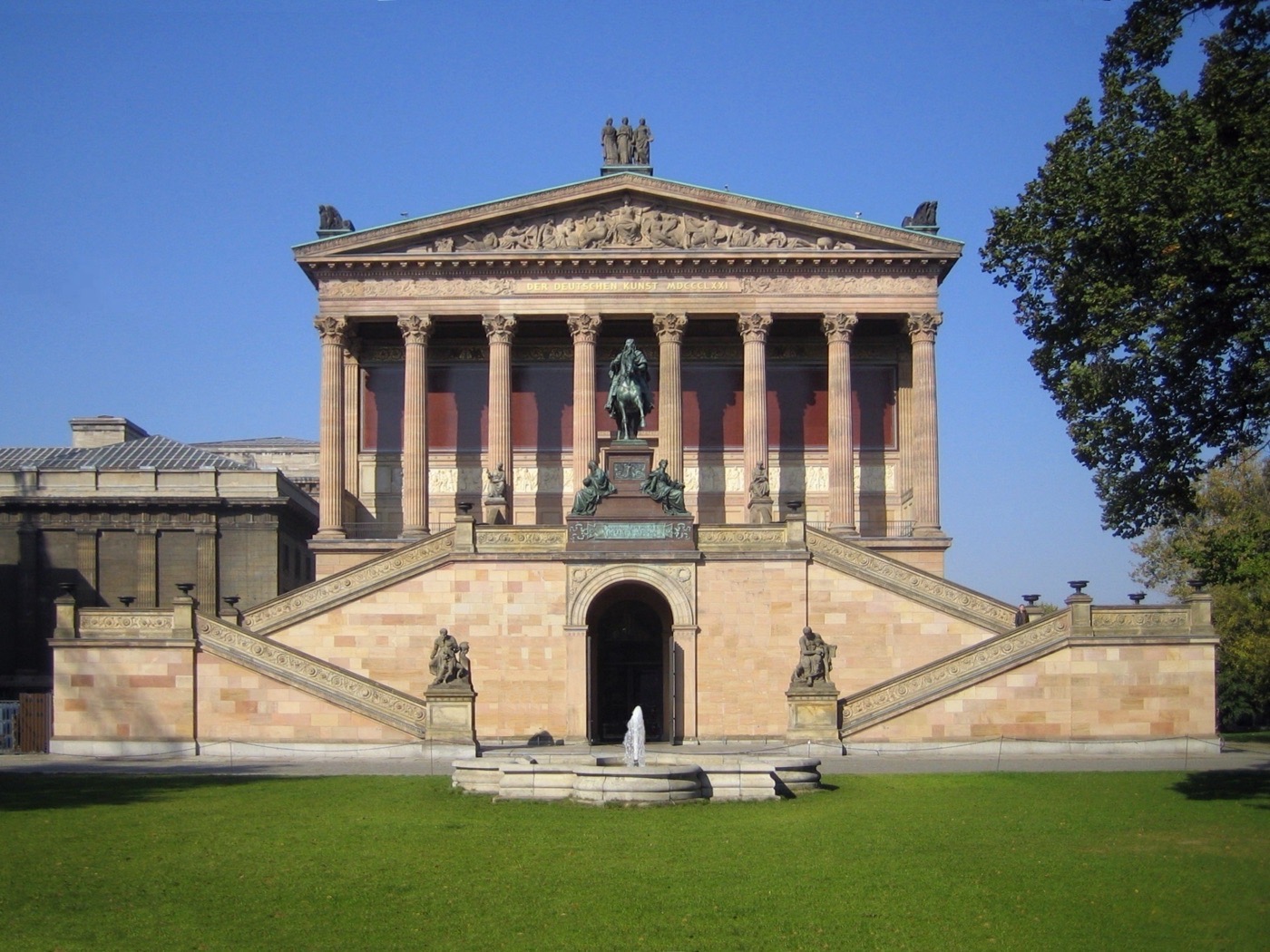
About Jewish Museum Berlin
Daniel Libeskind's groundbreaking zinc-clad building tells the story of two millennia of German-Jewish history, with the unforgettable Holocaust Tower and Garden of Exile.
Founded in 2001, Jewish Museum Berlin has been welcoming visitors for over 25 years. Today it draws approximately 700,000 visitors annually, making it one of the most-visited history & civilization museums in the world. Located in Berlin, Germany, the museum holds a rating of 4.6 out of 5 based on 11,000 traveller reviews, reflecting its enduring appeal to both first-time visitors and returning enthusiasts.
A visitor's perspective
Walking into Jewish Museum Berlin, you are stepping through the entrance to a different era. The museum specialises in that rare alchemy: making the past feel present. In the morning light, the galleries of this Berlin institution carry a particular gravitas — objects behind glass that once belonged to real people, documents that changed the course of nations, maps that redrew the world.
The strength of Jewish Museum Berlin lies in its ability to connect visitors emotionally to historical events. This is not a dry recitation of dates and treaties. The curators have built narratives around objects, so that a military uniform tells a personal story, a trade ledger reveals an economic revolution, and a child's toy illuminates daily life in a way that textbooks cannot. The collection's centrepieces — Holocaust Tower and Garden of Exile — are rightly famous, but the smaller items often leave the deepest impression.
Practically, the museum is pleasantly occupied without being overwhelming. The chronological layout means you can follow a linear path through Germany's history, or skip to the periods that interest you most. The exhibition design is modern and accessible, with clear signage and multimedia stations that add layers of context.
Leaving Jewish Museum Berlin, the city outside Berlin looks different. Streets that seemed ordinary on the way in now carry echoes of the stories you have just encountered. That transformation — from passive sightseeing to active understanding — is what the best history museums achieve, and Jewish Museum Berlin achieves it consistently.
Exhibition highlights at Jewish Museum Berlin
Jewish Museum Berlin presents history through objects, documents, and immersive reconstructions that bring the past into sharp focus. The permanent galleries are typically arranged chronologically, covering Germany's history from the defining events of the 19th, 20th, and 21st centuries. Centrepiece objects include Holocaust Tower, Garden of Exile, Memory Void (Shalekhet), each placed within a narrative that explains not just what happened but why it mattered. Multimedia stations, oral history recordings, and interactive maps add layers of context that static displays cannot achieve. Temporary exhibitions often address contemporary issues through a historical lens — exploring migration, democracy, identity, or conflict with the depth that only a research museum can provide. School and family programmes are typically excellent at history museums, and Jewish Museum Berlin is no exception.
Why visit Jewish Museum Berlin
Jewish Museum Berlin is one of those institutions where the experience goes beyond simply looking at exhibits. Whether you are a dedicated history & civilization enthusiast or a casual visitor exploring Berlin, here is why this museum deserves a spot on your itinerary:
- 1.World-class history & civilization collection — Jewish Museum Berlin houses a collection that has earned it a #140 ranking in our global composite index. Signature pieces include Holocaust Tower and Garden of Exile, alongside many others that reward close attention.
- 2.Berlin as a cultural destination — Berlin is home to 9 museums on our editorial ranking, including Pergamon Museum. Visiting Jewish Museum Berlin positions you in one of Germany's most museum-rich cities, making it easy to combine multiple visits.
- 3.A modern institution with ambition — Founded in 2001, Jewish Museum Berlin has rapidly established itself as a must-visit destination, proving that newer museums can rival century-old institutions.
- 4.Highly rated by visitors — A 4.6/5 rating from 11,000 reviews reflects consistently positive experiences across a wide range of visitors. Visitors note that the sheer scale of the collection justifies the extended visit time.
The collection at Jewish Museum Berlin
Jewish Museum Berlin preserves and interprets the material evidence of human civilisation. Its galleries take visitors on a chronological and thematic journey through pivotal moments in human history. Key holdings include Holocaust Tower, Garden of Exile, Memory Void (Shalekhet), each offering tangible connections to the past. With 700,000 visitors annually, the museum plays a vital role in public education and cultural preservation.
Why Jewish Museum Berlin ranks #140
Our editorial ranking blends data from TripAdvisor Travelers' Choice awards, AECOM/TEA annual attendance figures, and coverage in leading travel publications including Condé Nast Traveler, Time Out, National Geographic and The Times. At #140 in our composite ranking, Jewish Museum Berlin represents the kind of institution that rewards a deliberate visit — less visited than the mega-museums, but no less rewarding in what it offers. Key recognitions include: Architectural icon.
Must-see highlights
With a recommended visit time of 2.5 hours, planning your route through Jewish Museum Berlin is essential. Here are the standout works and spaces that should be at the top of your list:
- ◆Holocaust Tower
- ◆Garden of Exile
- ◆Memory Void (Shalekhet)
- ◆Libeskind architecture
Recognition & awards
Jewish Museum Berlin has received recognition from multiple authoritative sources in the museum and travel industry:
Planning your visit
A visit to Jewish Museum Berlin is one of the highlights of any trip to Berlin. Here is everything you need to know to plan a smooth, enjoyable visit.
Opening hours: Daily 10:00–19:00. Hours may vary on public holidays and during special events, so we recommend checking the museum's official website before your visit.
How long to spend: Most visitors recommend setting aside 2.5 hours for a thorough visit. If you are short on time, focus on the highlights listed above and consider purchasing a skip-the-line ticket to maximise your time inside.
Best time to visit: Jewish Museum Berlin attracts a steady stream of visitors year-round. For the best experience, aim for weekday mornings when galleries are less crowded. Shoulder seasons (spring and autumn) offer a good balance of pleasant weather and manageable visitor numbers.
Getting there: Jewish Museum Berlin is located in Berlin, Germany at coordinates 52.5021°N, 13.3953°E. In a major city like Berlin, public transport is typically the most convenient way to reach the museum. Most visitors arrive by metro, bus or tram. View on Google Maps →
Tickets and pricing: Check the museum's official website for current ticket prices and any available discounts for students, seniors or families. Advance online booking is recommended, especially during peak season, as it often allows you to skip the main queue.
Visitor tips: Given the size of this museum, comfortable shoes are essential. Consider splitting your visit across two days if your schedule allows. The museum likely has a cloakroom where you can leave bags and coats. Check the official website for any temporary closures, special exhibitions and advance booking requirements.
Accessibility: Most major museums offer wheelchair access, audio guides, and materials in multiple languages. Contact Jewish Museum Berlin directly for specific accessibility provisions, including guided tours for visitors with visual or hearing impairments.
Best season to visit: Spring (April–May) and autumn (September–October) offer the best balance of pleasant weather and manageable crowds. Summer brings peak tourism and longer opening hours, while winter offers shorter queues but reduced daylight.
How to plan your time: This is a full-day museum. Attempting to see everything in a single visit is unrealistic — prioritise the highlights listed above and return if your schedule allows. Many visitors find that splitting the visit across two mornings is more rewarding than one exhausting marathon.
Photography policy: The museum generally permits photography for personal use without flash. Professional photography and video require advance permission. Respect any restricted areas, particularly in temporary exhibition spaces.
Guided tours and audio guides: Audio guides are available in several languages and cover the main highlights with informed commentary. Jewish Museum Berlin also offers scheduled guided tours led by museum educators, which are worth joining if your timing aligns. For specialist interests, some museums offer themed tours focusing on specific periods, media, or curatorial themes.
Detailed accessibility information: Jewish Museum Berlin offers wheelchair access to the main exhibition areas, with ramps and lifts provided. Audio guides, large-print materials, and tactile resources for visitors with visual impairments are typically available at the main desk. Visitors with mobility needs should enquire about wheelchairs available for loan at the entrance. The museum recommends contacting them in advance for visitors with specific access requirements, as some galleries may be temporarily restricted during renovation works.
Nearby attractions: Berlin offers plenty of cultural attractions within easy reach of Jewish Museum Berlin. The area around the museum is worth exploring on foot, with local restaurants, shops, and architectural points of interest within walking distance.
History of Jewish Museum Berlin
Jewish Museum Berlin was established in 2001, a relatively modern institution that has quickly earned international recognition. Over the decades, it has grown from its original collection to become a major cultural landmark in Berlin. With 700,000 annual visitors, it plays a vital role in Germany's cultural tourism economy and stands as one of the most important history & civilization museums in the Europe region.
The 2000s were a transformative period for Germany, and Jewish Museum Berlin was founded in 2001 against the backdrop of modern state formation and the reckoning with 20th-century history. The museum's collection reflects this context: objects were gathered not just for their beauty but for their power to explain who we are and where we come from.
Since 2001, Jewish Museum Berlin has moved with notable speed from newcomer to established cultural landmark. Germany's investment in cultural infrastructure has supported this trajectory, and the museum has reciprocated by attracting international attention, high-profile temporary exhibitions, and scholarly recognition that belies its relatively short history.
Other top history & civilization museums
If you enjoy history & civilization museums like Jewish Museum Berlin, you may also want to explore these highly-ranked institutions in the same category:
- #37Smithsonian National Museum of American HistoryWashington, United States
- #38Smithsonian National Museum of African American History and CultureWashington, United States
- #48Hagia Sophia Grand Mosque & MuseumIstanbul, Turkey
- #68National Museum of KoreaSeoul, South Korea
- #87Vasa MuseumStockholm, Sweden
More museums in Berlin
Berlin is home to 9 museums on our editorial ranking. If you are visiting the city, consider combining your trip to Jewish Museum Berlin with these nearby institutions:
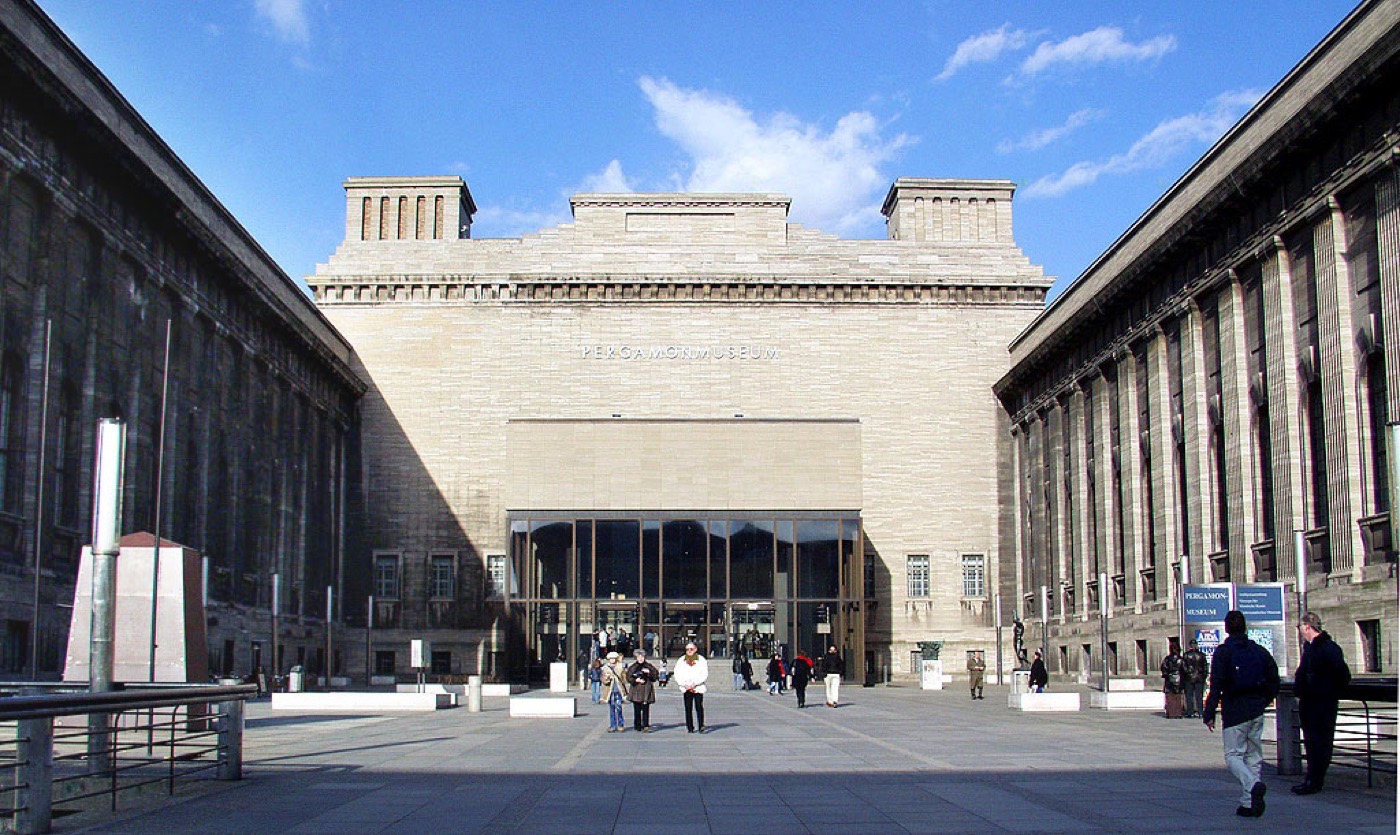
- #31Pergamon Museum🏺 Archaeology & Antiquity
- #136Bode Museum🖼️ Art & Encyclopedic
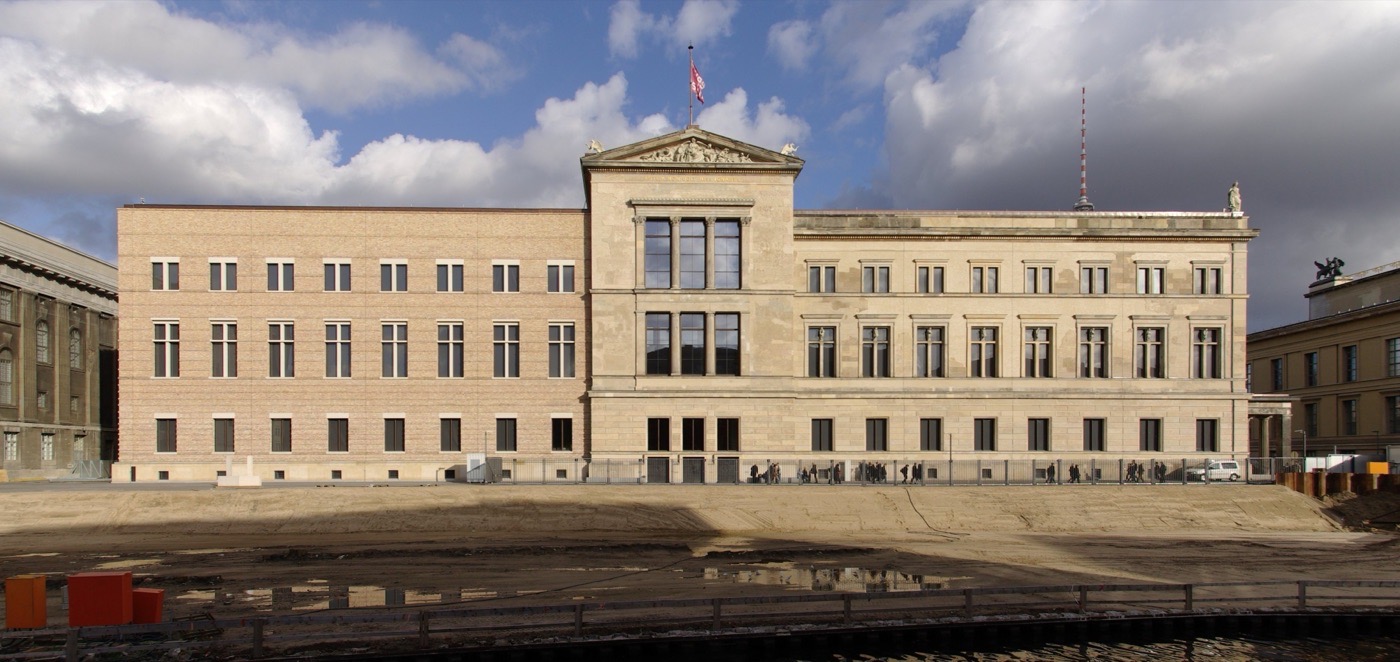
- #137Neues Museum🏺 Archaeology & Antiquity
- #138Alte Nationalgalerie🖼️ Art & Encyclopedic
- #139Topography of Terror🕯️ Memorial & Remembrance
- #141DDR Museum🏛️ History & Civilization
- #144Schloss Charlottenburg👑 Palace & Royal
- #220Bauhaus-Archiv / Museum für Gestaltung🪑 Design & Decorative
Top museums across Germany
Beyond Berlin, Germany is home to world-class museums in other cities. If you are planning a wider trip, these are among the highest-ranked:
- #43Deutsches MuseumMunich
- #127Pinakothek der ModerneMunich
- #128Alte PinakothekMunich
- #142LenbachhausMunich
- #143GlyptothekMunich
About Berlin's museum scene
Berlin is one of the world's great museum cities, with 9 institutions featured in our editorial ranking alone. The city's museums collectively span history & civilization, archaeology & antiquity, art & encyclopedic, memorial & remembrance, palace & royal, design & decorative — making it possible to spend several days exploring its cultural offerings without repeating a theme.
Jewish Museum Berlin fits into this landscape as the city's #6 ranked museum on our global composite. Visitors with limited time should prioritise Jewish Museum Berlin alongside Pergamon Museum and Bode Museum, which together offer a well-rounded introduction to Berlin's cultural identity.
For a full list of museums in Berlin, see the individual museum pages linked below. Many are within walking distance of each other, making it feasible to visit two or three in a single day.
Frequently asked questions
What are the opening hours of Jewish Museum Berlin?
Daily 10:00–19:00. We recommend checking the official website before your visit as hours may change on public holidays or during special events.
How long should I spend at Jewish Museum Berlin?
Most visitors recommend spending 2.5 hours for a comprehensive visit. If you are short on time, prioritise the must-see highlights listed above.
Where is Jewish Museum Berlin located?
Jewish Museum Berlin is located in Berlin, Germany. The exact coordinates are 52.5021°, 13.3953°. You can find directions via Google Maps.
What is Jewish Museum Berlin known for?
Daniel Libeskind's zigzag of memory. Key highlights include Holocaust Tower, Garden of Exile, Memory Void (Shalekhet). The museum holds a 4.6/5 rating from 11,000 reviews.
How many people visit Jewish Museum Berlin each year?
Jewish Museum Berlin receives approximately 700,000 visitors per year, making it one of the most-visited museums in Germany.
When was Jewish Museum Berlin founded?
Jewish Museum Berlin was founded in 2001, making it 25 years old. It is categorised as a history & civilization museum in our directory.
Is Jewish Museum Berlin worth visiting?
Yes. Jewish Museum Berlin ranks #140 in our global composite ranking of the world's best museums, based on TripAdvisor Travelers' Choice data, AECOM/TEA attendance figures, and coverage in publications like Condé Nast Traveler and National Geographic. The strong visitor ratings indicate a consistently rewarding experience.
What type of museum is Jewish Museum Berlin?
Jewish Museum Berlin is classified as a History & Civilization museum in our directory. It covers historical events, civilisations, and cultural heritage through artefacts, documents, and immersive exhibits.
What are the must-see exhibits at Jewish Museum Berlin?
Our editorial team recommends prioritising: Holocaust Tower, Garden of Exile, Memory Void (Shalekhet), Libeskind architecture. These represent the core of what makes this museum exceptional.
Is Jewish Museum Berlin suitable for children?
Jewish Museum Berlin welcomes visitors of all ages. While the collection is primarily curated for adult audiences, families with children will find that many galleries engage younger visitors — particularly those featuring tangible objects with clear stories. Family guides and activity sheets are often available at the information desk.
Can I take photographs inside Jewish Museum Berlin?
Photography without flash is generally permitted in the permanent galleries of Jewish Museum Berlin. Temporary exhibitions and certain loaned works may have restrictions — look for signage at gallery entrances. Tripods, selfie sticks, and professional equipment typically require advance permission. Video recording policies vary by section.
Is there a gift shop at Jewish Museum Berlin?
Yes. Jewish Museum Berlin has a museum shop offering guidebooks, postcards, themed merchandise, and publications related to the collection. The shop is accessible without a museum ticket and is worth browsing — museum shops often stock items you will not find elsewhere in Berlin.
Does Jewish Museum Berlin have a café or restaurant?
Most major museums of this calibre include at least one on-site café or restaurant. Jewish Museum Berlin offers dining options ranging from a casual café for quick refreshments to a restaurant serving fuller meals. The café provides a pleasant rest stop during your visit. The surrounding area of Berlin also offers plenty of dining alternatives within walking distance.
How do I get to Jewish Museum Berlin by public transport?
Jewish Museum Berlin is located in Berlin, Germany. As a major city with excellent public transport, Berlin makes reaching the museum straightforward — metro, bus, and tram connections typically serve the museum directly or bring you within a short walk.
Is there wheelchair access at Jewish Museum Berlin?
Jewish Museum Berlin provides wheelchair access to the principal exhibition areas. Lifts, ramps, and accessible restrooms are available. Wheelchairs can often be borrowed free of charge at the main entrance. Visitors with specific accessibility needs should contact the museum in advance to confirm current provisions, as renovation works may temporarily affect access to certain areas.
What is the best day to visit Jewish Museum Berlin?
Jewish Museum Berlin is rarely overwhelmingly crowded, so any day works well. That said, weekday mornings offer the most peaceful experience. Weekend mornings can see family groups, particularly at museums with strong educational programming.
How much does it cost to visit Jewish Museum Berlin?
Ticket prices vary and are updated regularly on the museum's official website. Many museums offer discounts for students, seniors, families, and groups. EU/EEA residents under 26 may qualify for free or reduced entry at some European museums. City tourism cards and museum passes often include entry and are worth checking if you plan to visit multiple attractions in Berlin.
Can I visit Jewish Museum Berlin with a guided tour?
Yes. Jewish Museum Berlin offers audio guides and scheduled group tours that cover the collection highlights with expert commentary. Private tours may be arranged for groups. Tours can often be joined on the day, but advance booking is recommended. For independent visitors, the audio guide is an excellent alternative that allows you to set your own pace.
What should I see first at Jewish Museum Berlin?
Start with the museum's most celebrated works: Holocaust Tower, Garden of Exile, Memory Void (Shalekhet). These are the objects that define Jewish Museum Berlin's reputation and should be seen when your attention is freshest. Given the museum's size, trying to see everything in one visit is counterproductive — focus on the highlights and allow yourself to be drawn into quieter galleries as time permits. The museum's information desk can provide a recommended route based on your available time and interests.
Does Jewish Museum Berlin have temporary exhibitions?
Yes. Jewish Museum Berlin maintains an active programme of temporary exhibitions that complement and extend the permanent collection. These rotating shows range from blockbuster international shows to focused scholarly presentations and emerging artist showcases. Temporary exhibitions may require a separate ticket. Check the museum's website for current and upcoming shows before your visit — some are worth timing a trip around.
Is Jewish Museum Berlin crowded?
Jewish Museum Berlin is generally not excessively crowded, allowing visitors to engage with the collection at their own pace. Weekday mornings are the quietest.