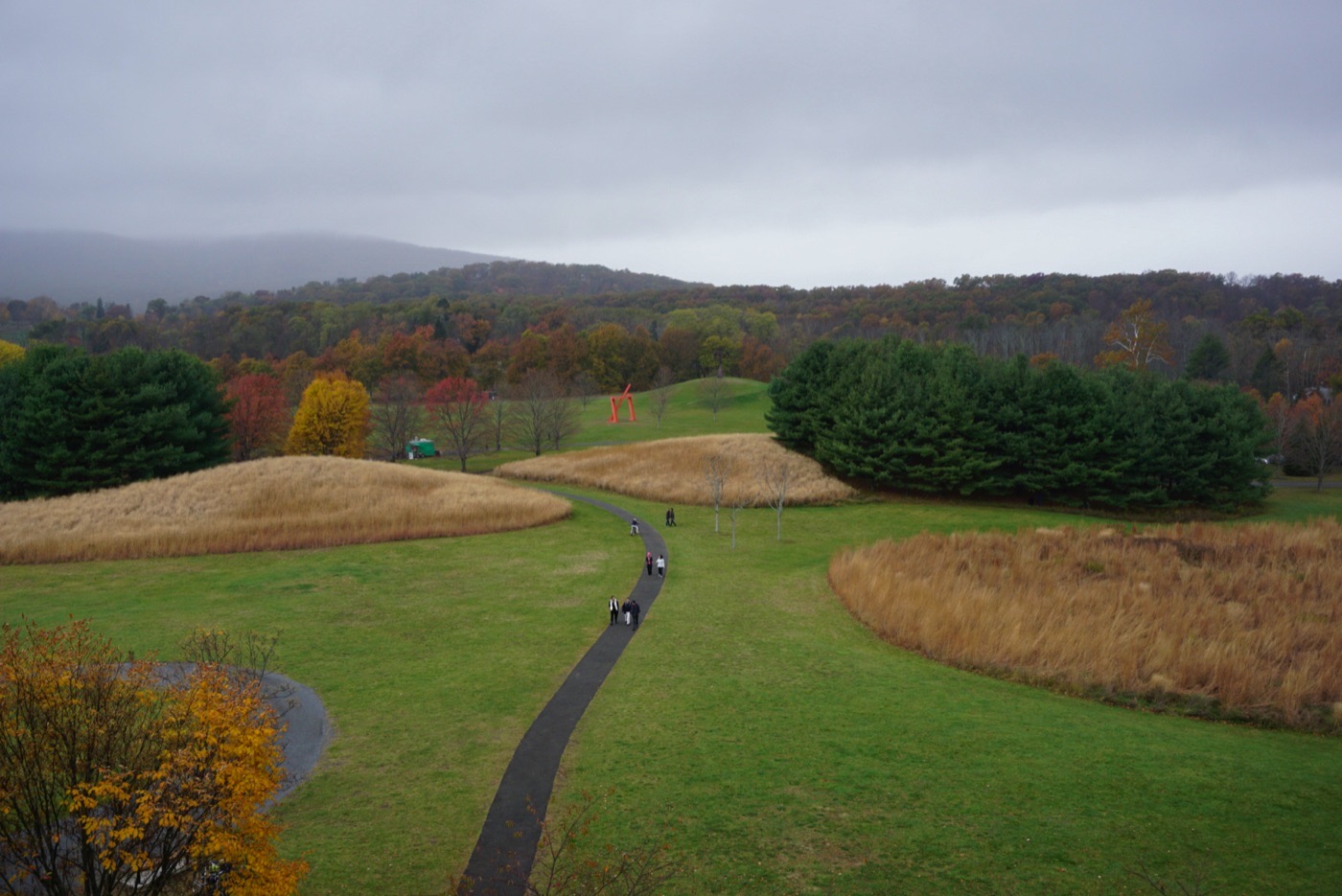
About Dia:Beacon
In a former Nabisco box-printing factory on the Hudson, Dia:Beacon shows the most ambitious works of post-war American art in 240,000 square feet of natural-light galleries.
Founded in 2003, Dia:Beacon has been welcoming visitors for over 23 years. Today it draws approximately 250,000 visitors annually, making it one of the most-visited modern & contemporary museums in the world. Located in Beacon, United States, the museum holds a rating of 4.7 out of 5 based on 4,500 traveller reviews, reflecting its enduring appeal to both first-time visitors and returning enthusiasts.
Why Dia:Beacon ranks #172
Our editorial ranking blends data from TripAdvisor Travelers' Choice awards, AECOM/TEA annual attendance figures, and coverage in leading travel publications including Condé Nast Traveler, Time Out, National Geographic and The Times. At #172 in our composite ranking, Dia:Beacon represents the kind of institution that rewards a deliberate visit — less visited than the mega-museums, but no less rewarding in what it offers. Key recognitions include: TripAdvisor Travelers' Choice.
Must-see highlights
With a recommended visit time of 3 hours, planning your route through Dia:Beacon is essential. Here are the standout works and spaces that should be at the top of your list:
- ◆Richard Serra Torqued Ellipses
- ◆Donald Judd installations
- ◆Walter De Maria 360°
- ◆Sol LeWitt drawings
Recognition & awards
Dia:Beacon has received recognition from multiple authoritative sources in the museum and travel industry:
Planning your visit
Opening hours: Fri–Mon 10:00–16:00. Closed Tue–Thu.
How long to spend: Most visitors recommend setting aside 3 hours for a thorough visit. If you are short on time, focus on the highlights listed above and consider purchasing a skip-the-line ticket to maximise your time inside.
Getting there: Dia:Beacon is located in Beacon, United States at coordinates 41.4993°N, -73.9911°E. View on Google Maps →
Visitor tips: The museum is manageable in a single visit, but arriving early helps you avoid peak crowds. Check the official website for any temporary closures, special exhibitions and advance booking requirements.
History of Dia:Beacon
Dia:Beacon was established in 2003, a relatively modern institution that has quickly earned international recognition. Over the decades, it has grown from its original collection to become a major cultural landmark in Beacon. With 250,000 annual visitors, it plays a vital role in United States's cultural tourism economy and stands as one of the most important modern & contemporary museums in the Americas region.
Other top modern & contemporary museums
If you enjoy modern & contemporary museums like Dia:Beacon, you may also want to explore these highly-ranked institutions in the same category:
- #11Museum of Modern Art (MoMA)New York, United States
- #12Tate ModernLondon, United Kingdom
- #13Centre PompidouParis, France
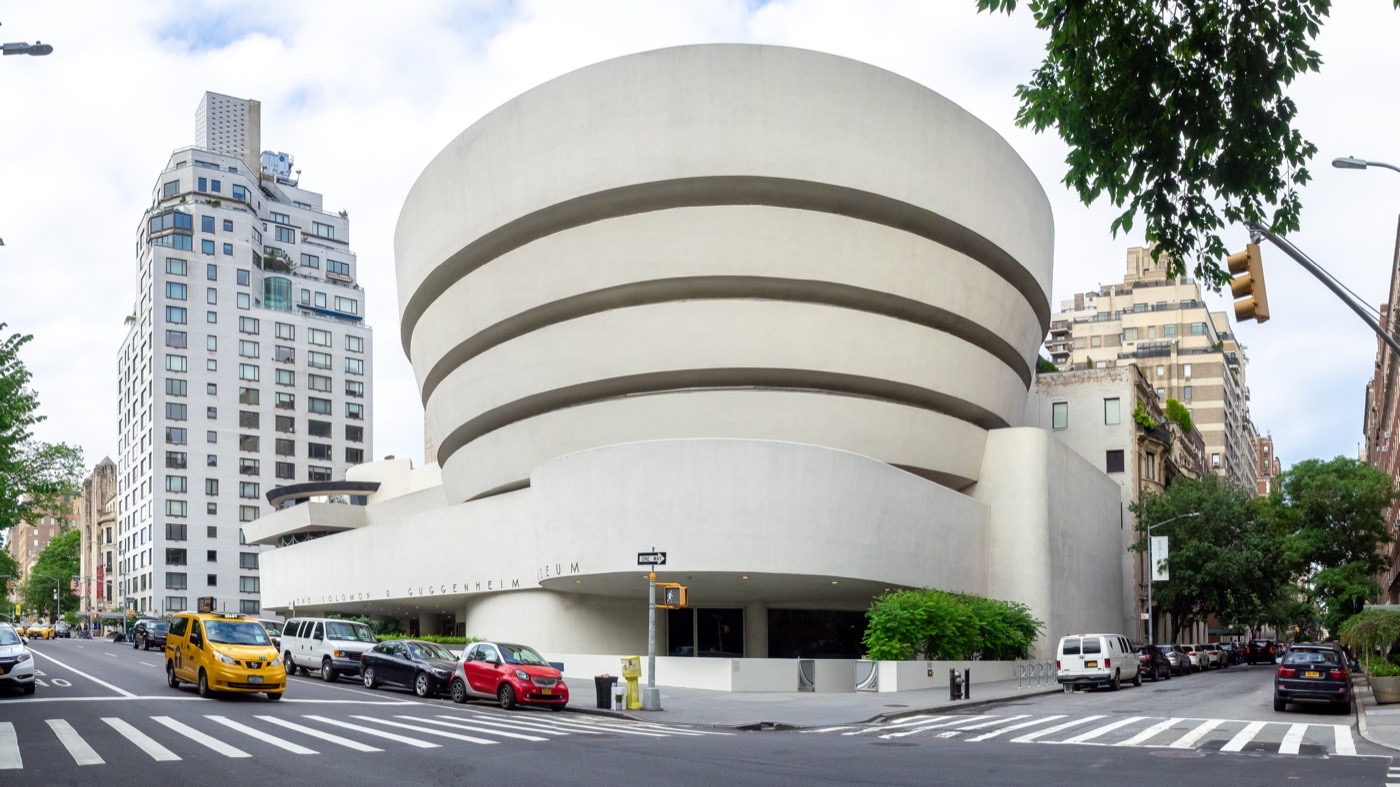
- #25Solomon R. Guggenheim MuseumNew York, United States
- #26Guggenheim Museum BilbaoBilbao, Spain
Top museums across United States
Beyond Beacon, United States is home to world-class museums in other cities. If you are planning a wider trip, these are among the highest-ranked:
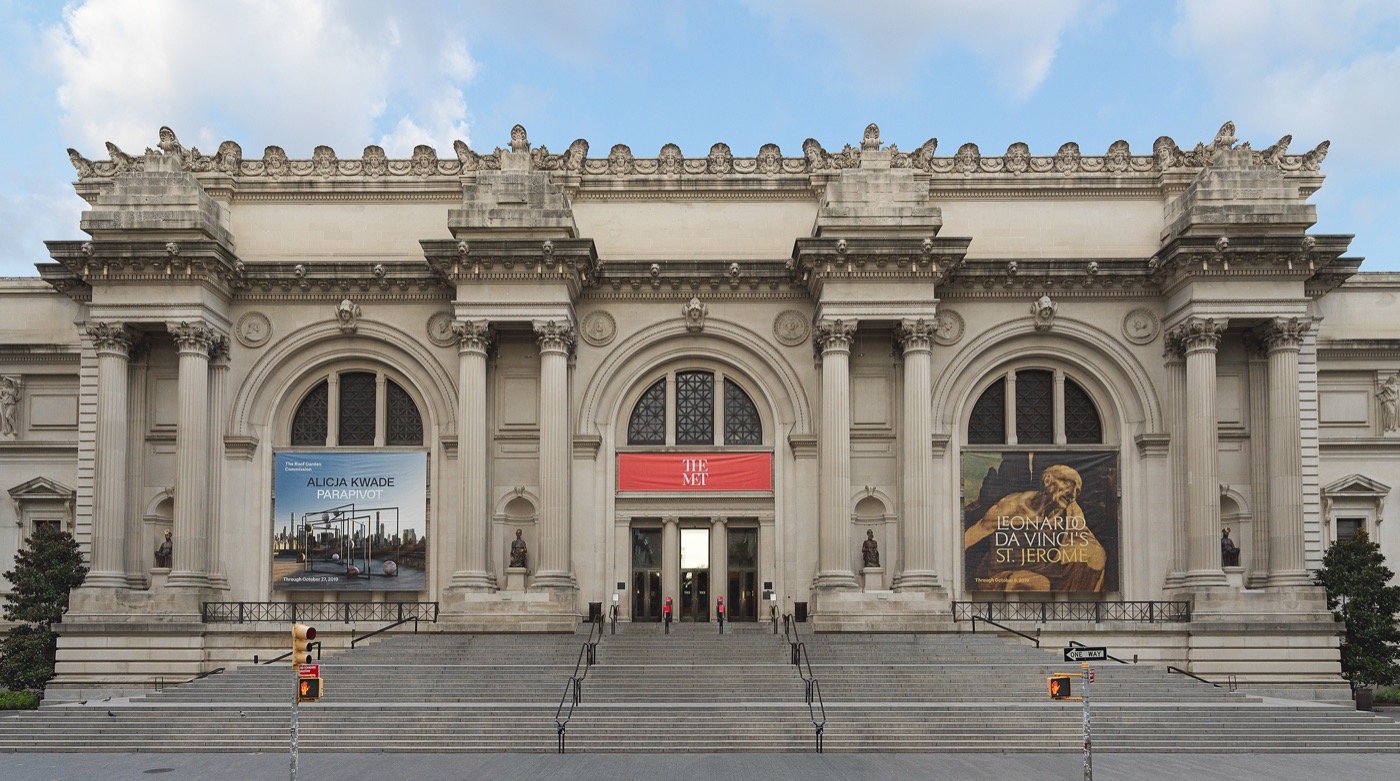
- #2The Metropolitan Museum of ArtNew York
- #11Museum of Modern Art (MoMA)New York
- #15Smithsonian National Museum of Natural HistoryWashington
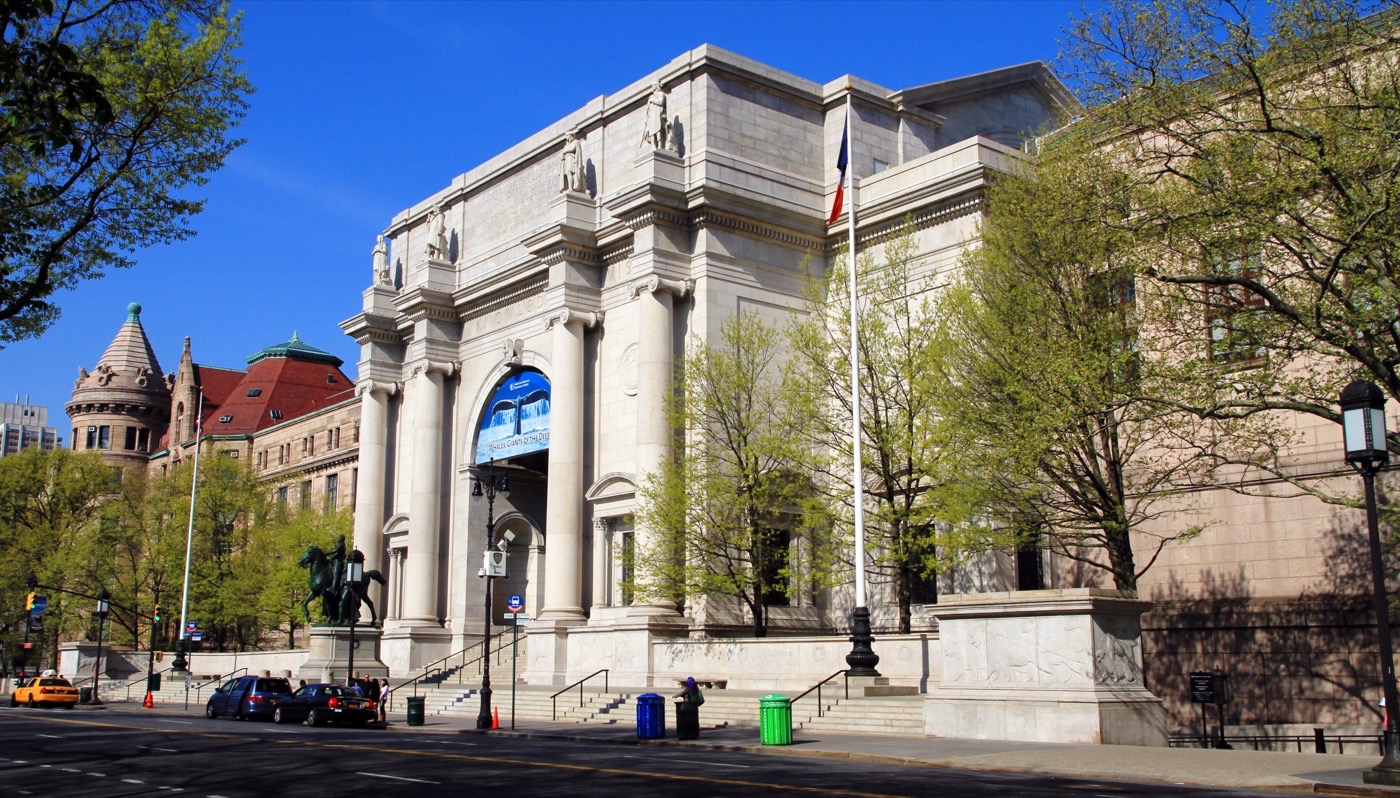
- #16American Museum of Natural HistoryNew York
- #25Solomon R. Guggenheim MuseumNew York
- #27Smithsonian National Air and Space MuseumWashington
Frequently asked questions
What are the opening hours of Dia:Beacon?
Fri–Mon 10:00–16:00. Closed Tue–Thu. We recommend checking the official website before your visit as hours may change on public holidays or during special events.
How long should I spend at Dia:Beacon?
Most visitors recommend spending 3 hours for a comprehensive visit. If you are short on time, prioritise the must-see highlights listed above.
Where is Dia:Beacon located?
Dia:Beacon is located in Beacon, United States. The exact coordinates are 41.4993°, -73.9911°. You can find directions via Google Maps.
What is Dia:Beacon known for?
Minimalist art on the Hudson. Key highlights include Richard Serra Torqued Ellipses, Donald Judd installations, Walter De Maria 360°. The museum holds a 4.7/5 rating from 4,500 reviews.
How many people visit Dia:Beacon each year?
Dia:Beacon receives approximately 250,000 visitors per year, making it one of the most-visited museums in United States.
When was Dia:Beacon founded?
Dia:Beacon was founded in 2003, making it 23 years old. It is categorised as a modern & contemporary museum in our directory.