About Peggy Guggenheim Collection
Peggy Guggenheim's unfinished palazzo on the Grand Canal is one of the most beloved museums in Italy, holding her personal collection of European and American art from the first half of the 20th century.
Founded in 1980, Peggy Guggenheim Collection has been welcoming visitors for over 46 years. Today it draws approximately 400,000 visitors annually, making it one of the most-visited modern & contemporary museums in the world. Located in Venice, Italy, the museum holds a rating of 4.7 out of 5 based on 17,000 traveller reviews, reflecting its enduring appeal to both first-time visitors and returning enthusiasts.
A visitor's perspective
Peggy Guggenheim Collection does not ease you in gently. From the stepping through the entrance, the museum announces its intentions: this is a space that challenges, provokes, and occasionally unsettles. In the morning light, the galleries hum with a particular energy — visitors debating what they see, standing back from an installation to take in its full scale, or leaning close to decipher an artist's material choices.
What distinguishes a visit to Peggy Guggenheim Collection from other contemporary art spaces is the curation. The works here — spanning from the mid-20th century to the present — are arranged not as a timeline but as a conversation. A colour field painting from the 1960s shares a wall with a digital piece from last year, and the dialogue between them is the point. Flagship pieces like Pollock paintings and The Empire of Light (Magritte) anchor the collection, but the rotating temporary exhibitions often steal the show.
The building itself is part of the experience. The architecture is intentionally modern, designed to complement rather than compete with the work inside. The museum is pleasantly occupied without being overwhelming, and the layout rewards those who take their time rather than rushing from highlight to highlight.
After a few hours here, you emerge with recalibrated eyes. Contemporary art museums at their best change how you perceive the ordinary world, and Peggy Guggenheim Collection is one of the best at doing exactly that. It is a museum that repays repeated visits, because the work — and the visitor — are never quite the same twice.
Exhibition highlights at Peggy Guggenheim Collection
Peggy Guggenheim Collection focuses on art from the mid-20th century to the present, with collection strengths that reflect both international movements and regional voices. Visitors should expect galleries dedicated to Abstract Expressionism, Pop Art, Minimalism, Conceptual Art, and contemporary installation work. Flagship works such as Pollock paintings and The Empire of Light (Magritte) anchor the permanent display, while the temporary exhibition programme is where the museum takes its boldest curatorial risks. Video art and digital installations increasingly occupy dedicated spaces, reflecting the medium's growing importance. Performance art events and artist talks are regularly scheduled — check the museum's calendar before your visit, as these are often free and add significant depth to the experience. The museum shop, frequently stocking limited-edition prints and artist-designed objects, is worth browsing even if you do not normally shop at museums.
Why visit Peggy Guggenheim Collection
Peggy Guggenheim Collection is one of those institutions where the experience goes beyond simply looking at exhibits. Whether you are a dedicated modern & contemporary enthusiast or a casual visitor exploring Venice, here is why this museum deserves a spot on your itinerary:
- 1.World-class modern & contemporary collection — Peggy Guggenheim Collection houses a collection that has earned it a #197 ranking in our global composite index. Signature pieces include Pollock paintings and The Empire of Light (Magritte), alongside many others that reward close attention.
- 2.Venice as a cultural destination — Venice is home to 4 museums on our editorial ranking, including Doge's Palace (Palazzo Ducale). Visiting Peggy Guggenheim Collection positions you in one of Italy's most museum-rich cities, making it easy to combine multiple visits.
- 3.A modern institution with ambition — Founded in 1980, Peggy Guggenheim Collection has rapidly established itself as a must-visit destination, proving that newer museums can rival century-old institutions.
- 4.Highly rated by visitors — A 4.7/5 rating from 17,000 reviews places it in the top tier of visitor-rated museums worldwide. Visitors note that the sheer scale of the collection justifies the extended visit time.
The collection at Peggy Guggenheim Collection
As a modern & contemporary museum, Peggy Guggenheim Collection offers visitors a journey through artistic movements and creative expression. The permanent collection is anchored by works that span the key movements of the 20th and 21st centuries, with particular strengths reflected in its must-see highlights: Pollock paintings, The Empire of Light (Magritte), Calder mobiles, Sculpture garden. The approximately 400,000 annual visitors who pass through its galleries attest to the enduring pull of these works.
Beyond the headline pieces, the museum rewards visitors who explore its less-publicised galleries. Works such as Sculpture garden, Peggy's tomb represent the depth and breadth of the collection that keeps repeat visitors returning.
Why Peggy Guggenheim Collection ranks #197
Our editorial ranking blends data from TripAdvisor Travelers' Choice awards, AECOM/TEA annual attendance figures, and coverage in leading travel publications including Condé Nast Traveler, Time Out, National Geographic and The Times. At #197 in our composite ranking, Peggy Guggenheim Collection represents the kind of institution that rewards a deliberate visit — less visited than the mega-museums, but no less rewarding in what it offers. Key recognitions include: TripAdvisor Travelers' Choice.
Must-see highlights
With a recommended visit time of 1.5 hours, planning your route through Peggy Guggenheim Collection is essential. Here are the standout works and spaces that should be at the top of your list:
- ◆Pollock paintings
- ◆The Empire of Light (Magritte)
- ◆Calder mobiles
- ◆Sculpture garden
- ◆Peggy's tomb
Recognition & awards
Peggy Guggenheim Collection has received recognition from multiple authoritative sources in the museum and travel industry:
Planning your visit
A visit to Peggy Guggenheim Collection is one of the highlights of any trip to Venice. Here is everything you need to know to plan a smooth, enjoyable visit.
Opening hours: Wed–Mon 10:00–18:00. Closed Tue. Hours may vary on public holidays and during special events, so we recommend checking the museum's official website before your visit.
How long to spend: Most visitors recommend setting aside 1.5 hours for a thorough visit. If you are short on time, focus on the highlights listed above and consider purchasing a skip-the-line ticket to maximise your time inside.
Best time to visit: Peggy Guggenheim Collection is rarely overwhelmingly crowded, but mornings remain the best time to visit for a peaceful experience. Weekdays are generally quieter than weekends.
Getting there: Peggy Guggenheim Collection is located in Venice, Italy at coordinates 45.4310°N, 12.3318°E. Depending on your accommodation in Venice, the museum may be reachable on foot, by public transport, or by taxi. View on Google Maps →
Tickets and pricing: Check the museum's official website for current ticket prices and any available discounts for students, seniors or families. Advance online booking is recommended, especially during peak season, as it often allows you to skip the main queue.
Visitor tips: Given the size of this museum, comfortable shoes are essential. Consider splitting your visit across two days if your schedule allows. The museum likely has a cloakroom where you can leave bags and coats. Check the official website for any temporary closures, special exhibitions and advance booking requirements.
Accessibility: Most major museums offer wheelchair access, audio guides, and materials in multiple languages. Contact Peggy Guggenheim Collection directly for specific accessibility provisions, including guided tours for visitors with visual or hearing impairments.
Best season to visit: Spring (April–May) and autumn (September–October) offer the best balance of pleasant weather and manageable crowds. Summer brings peak tourism and longer opening hours, while winter offers shorter queues but reduced daylight.
How to plan your time: This is a full-day museum. Attempting to see everything in a single visit is unrealistic — prioritise the highlights listed above and return if your schedule allows. Many visitors find that splitting the visit across two mornings is more rewarding than one exhausting marathon.
Photography policy: Most areas of the museum allow non-flash photography. Check for signage in specific galleries, as loan objects and certain sensitive artefacts may be exempt.
Guided tours and audio guides: Audio guides are available in several languages and cover the main highlights with informed commentary. Peggy Guggenheim Collection also offers scheduled guided tours led by museum educators, which are worth joining if your timing aligns. For specialist interests, some museums offer themed tours focusing on specific periods, media, or curatorial themes.
Detailed accessibility information: Peggy Guggenheim Collection offers wheelchair access to the main exhibition areas, with ramps and lifts provided. Audio guides, large-print materials, and tactile resources for visitors with visual impairments are typically available at the main desk. Visitors with mobility needs should enquire about wheelchairs available for loan at the entrance. The museum recommends contacting them in advance for visitors with specific access requirements, as some galleries may be temporarily restricted during renovation works.
Nearby attractions: Venice offers plenty of cultural attractions within easy reach of Peggy Guggenheim Collection. The area around the museum is worth exploring on foot, with local restaurants, shops, and architectural points of interest within walking distance.
History of Peggy Guggenheim Collection
Peggy Guggenheim Collection was established in 1980, a relatively modern institution that has quickly earned international recognition. Over the decades, it has grown from its original collection to become a major cultural landmark in Venice. With 400,000 annual visitors, it plays a vital role in Italy's cultural tourism economy and stands as one of the most important modern & contemporary museums in the Europe region.
Founded in 1980, Peggy Guggenheim Collection belongs to a generation of European museums established in the 20th century with explicitly modern mandates. Free from the weight of centuries-old collections, it was able to build a focused, contemporary identity from the outset. Italy's cultural investment policies have supported the institution through expansion and renovation, ensuring it remains relevant to contemporary audiences.
Since 1980, Peggy Guggenheim Collection has moved with notable speed from newcomer to established cultural landmark. Italy's investment in cultural infrastructure has supported this trajectory, and the museum has reciprocated by attracting international attention, high-profile temporary exhibitions, and scholarly recognition that belies its relatively short history.
Other top modern & contemporary museums
If you enjoy modern & contemporary museums like Peggy Guggenheim Collection, you may also want to explore these highly-ranked institutions in the same category:
- #11Museum of Modern Art (MoMA)New York, United States
- #12Tate ModernLondon, United Kingdom
- #13Centre PompidouParis, France
- #25Solomon R. Guggenheim MuseumNew York, United States
- #26Guggenheim Museum BilbaoBilbao, Spain
More museums in Venice
Venice is home to 4 museums on our editorial ranking. If you are visiting the city, consider combining your trip to Peggy Guggenheim Collection with these nearby institutions:
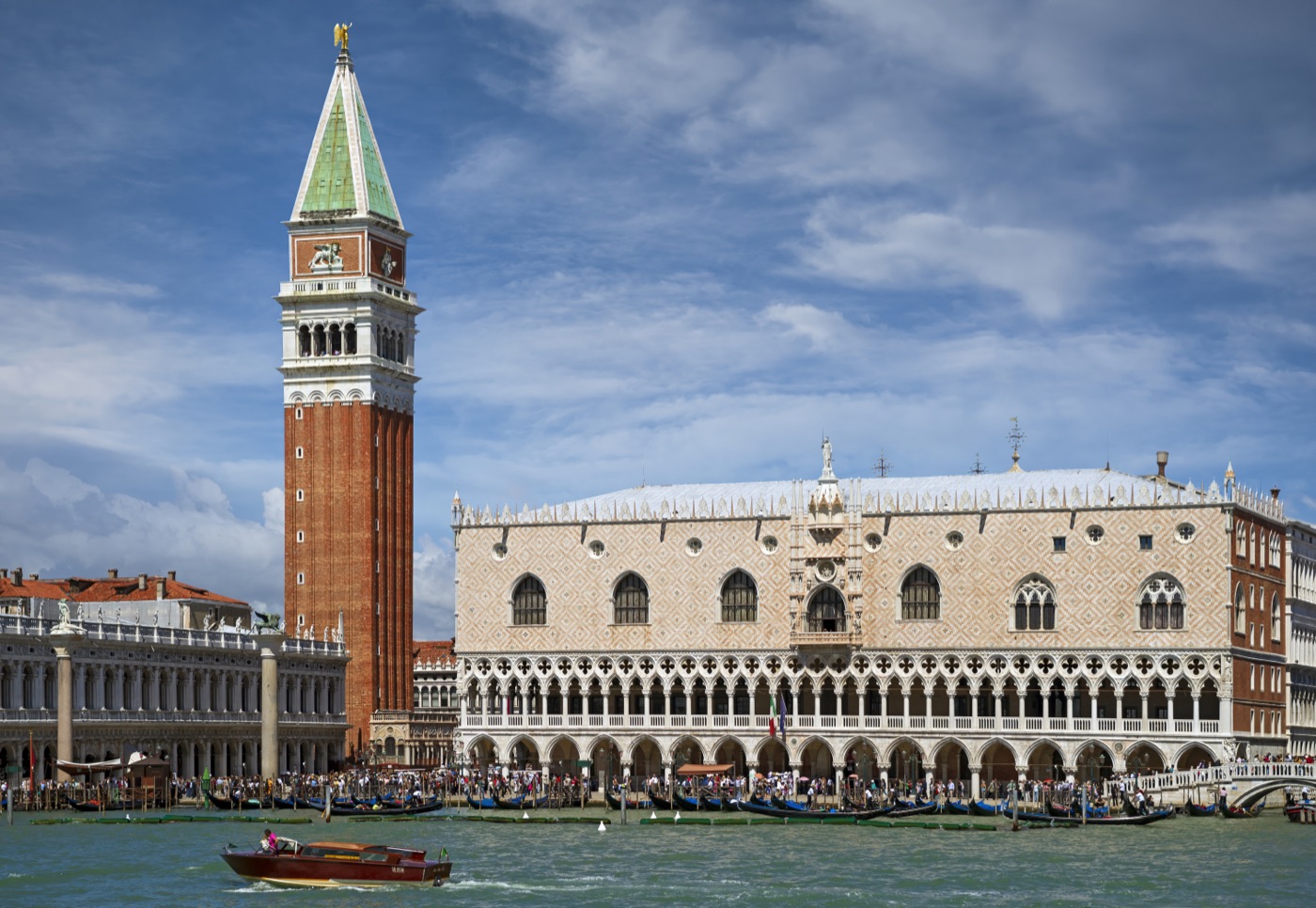
- #196Doge's Palace (Palazzo Ducale)👑 Palace & Royal
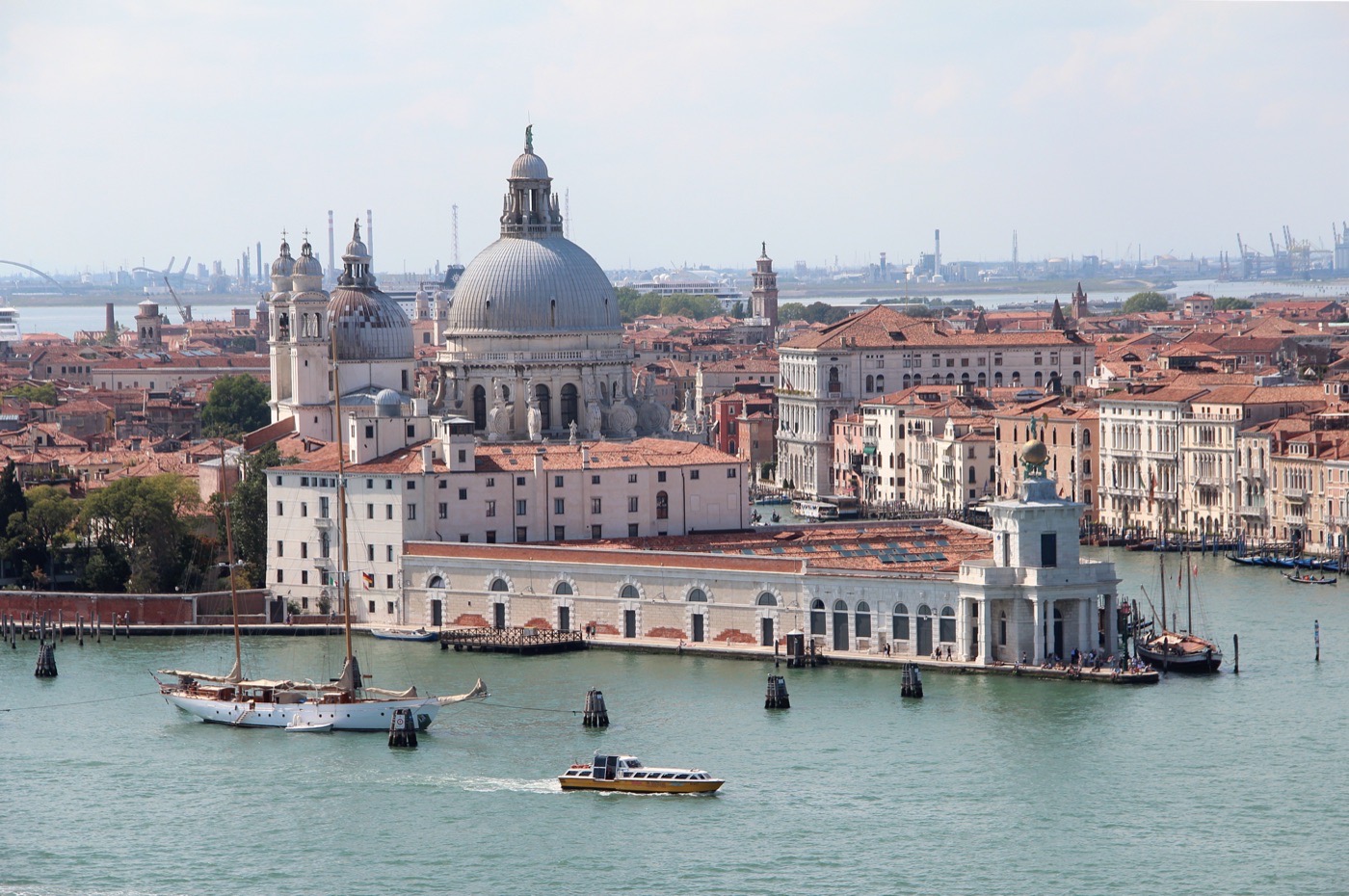
- #198Punta della Dogana🎨 Modern & Contemporary
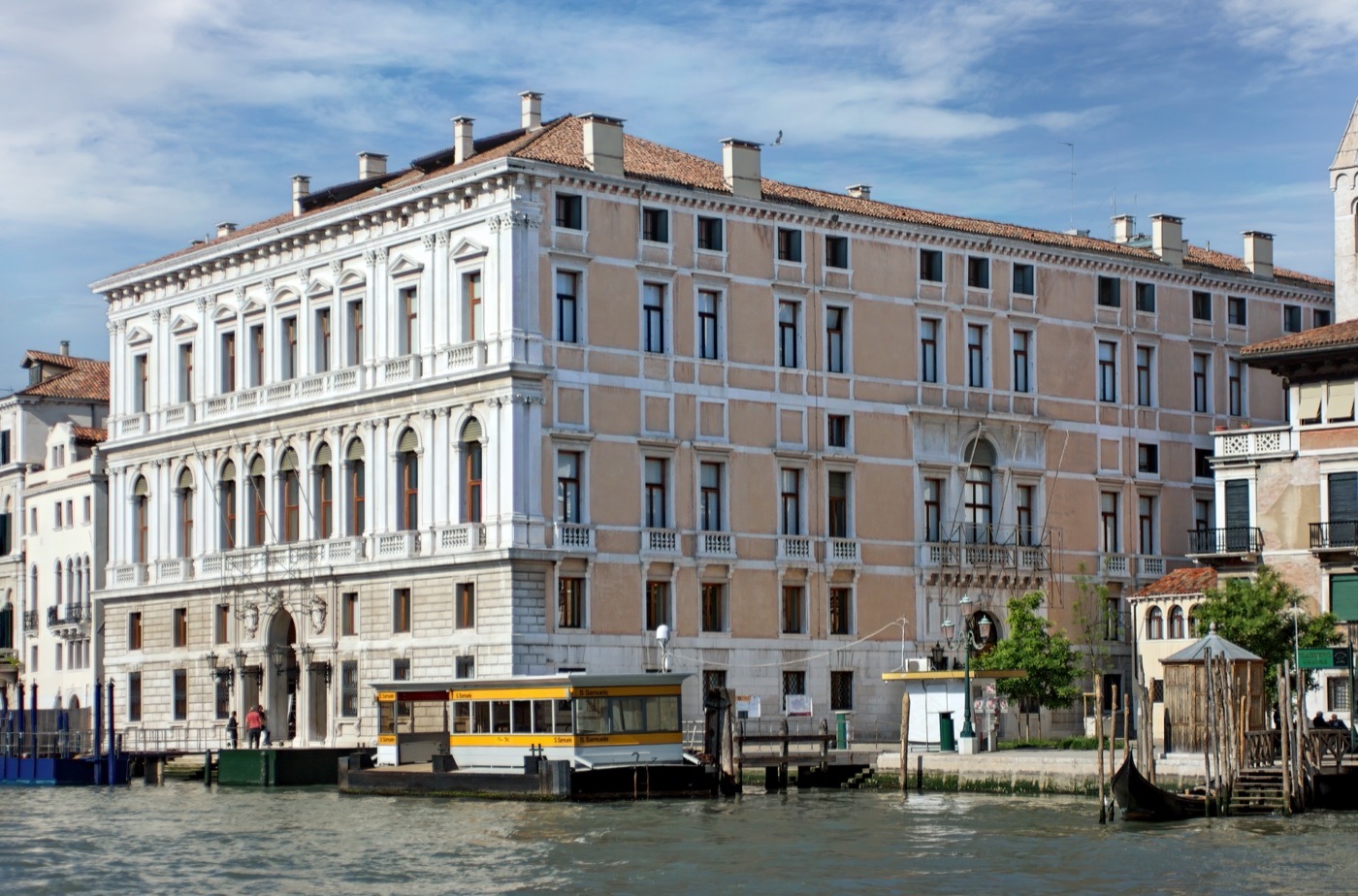
- #199Palazzo Grassi🎨 Modern & Contemporary
Top museums across Italy
Beyond Venice, Italy is home to world-class museums in other cities. If you are planning a wider trip, these are among the highest-ranked:
- #7Uffizi GalleryFlorence
- #29Galleria dell'AccademiaFlorence
- #60Pinacoteca di BreraMilan
- #80MAXXI – National Museum of 21st Century ArtsRome
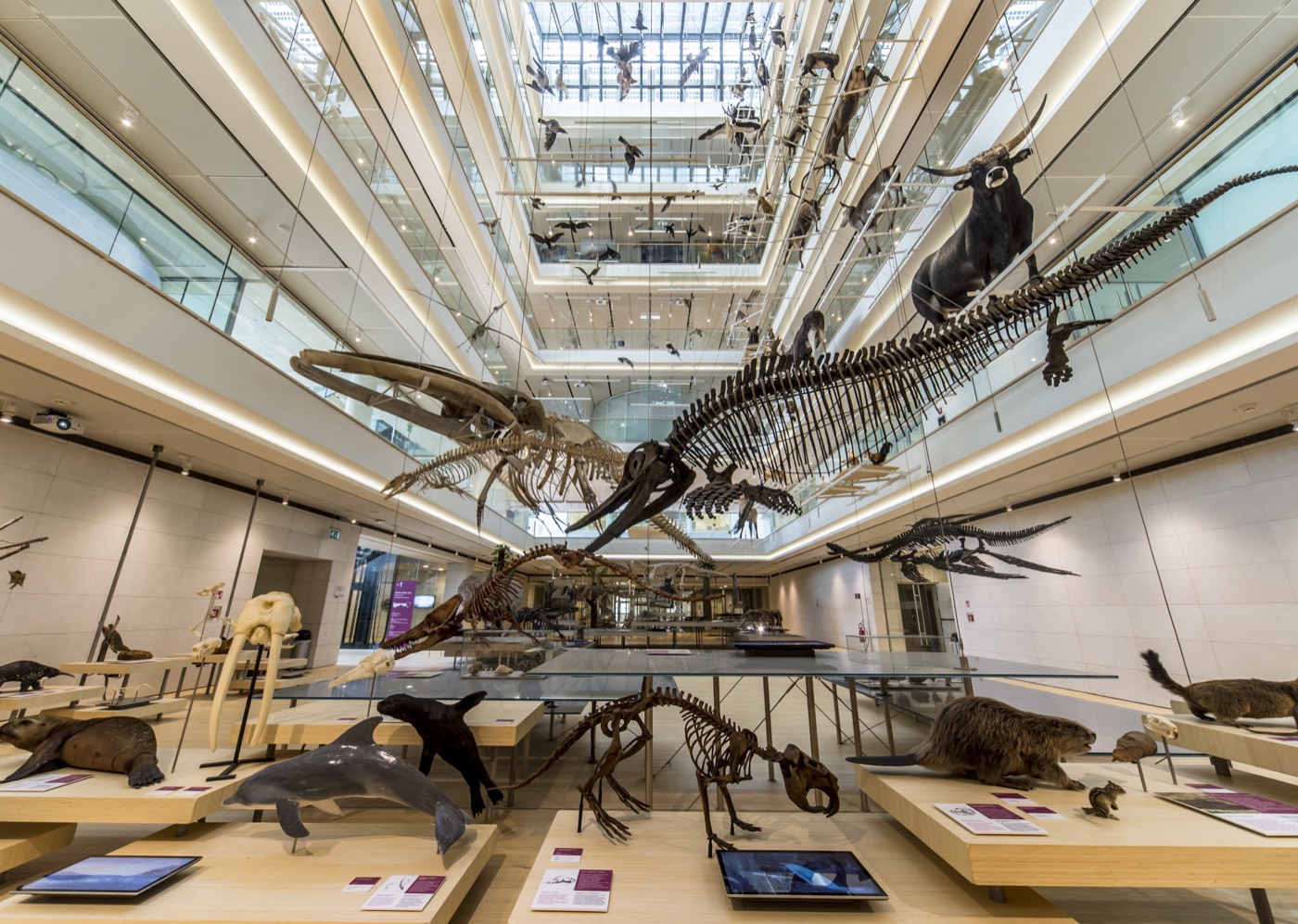
- #97MUSE – Museo delle ScienzeTrento
- #193Pompeii Archaeological Park (and Museum)Pompeii
About Venice's museum scene
Venice is one of the world's great museum cities, with 4 institutions featured in our editorial ranking alone. The city's museums collectively span modern & contemporary, palace & royal — making it possible to spend several days exploring its cultural offerings without repeating a theme.
Peggy Guggenheim Collection fits into this landscape as the city's #2 ranked museum on our global composite. Visitors with limited time should prioritise Peggy Guggenheim Collection alongside Doge's Palace (Palazzo Ducale) and Punta della Dogana, which together offer a well-rounded introduction to Venice's cultural identity.
For a full list of museums in Venice, see the individual museum pages linked below. Many are within walking distance of each other, making it feasible to visit two or three in a single day.
Frequently asked questions
What are the opening hours of Peggy Guggenheim Collection?
Wed–Mon 10:00–18:00. Closed Tue. We recommend checking the official website before your visit as hours may change on public holidays or during special events.
How long should I spend at Peggy Guggenheim Collection?
Most visitors recommend spending 1.5 hours for a comprehensive visit. If you are short on time, prioritise the must-see highlights listed above.
Where is Peggy Guggenheim Collection located?
Peggy Guggenheim Collection is located in Venice, Italy. The exact coordinates are 45.4310°, 12.3318°. You can find directions via Google Maps.
What is Peggy Guggenheim Collection known for?
Peggy's Grand Canal palace and modern art. Key highlights include Pollock paintings, The Empire of Light (Magritte), Calder mobiles. The museum holds a 4.7/5 rating from 17,000 reviews.
How many people visit Peggy Guggenheim Collection each year?
Peggy Guggenheim Collection receives approximately 400,000 visitors per year, making it one of the most-visited museums in Italy.
When was Peggy Guggenheim Collection founded?
Peggy Guggenheim Collection was founded in 1980, making it 46 years old. It is categorised as a modern & contemporary museum in our directory.
Is Peggy Guggenheim Collection worth visiting?
Yes. Peggy Guggenheim Collection ranks #197 in our global composite ranking of the world's best museums, based on TripAdvisor Travelers' Choice data, AECOM/TEA attendance figures, and coverage in publications like Condé Nast Traveler and National Geographic. Its exceptional visitor ratings confirm that the vast majority of visitors consider it a highlight of their trip.
What type of museum is Peggy Guggenheim Collection?
Peggy Guggenheim Collection is classified as a Modern & Contemporary museum in our directory. It specialises in modern and contemporary art, typically covering the 20th and 21st centuries.
What are the must-see exhibits at Peggy Guggenheim Collection?
Our editorial team recommends prioritising: Pollock paintings, The Empire of Light (Magritte), Calder mobiles, Sculpture garden. There are also 1 additional highlights worth seeing if time allows.
Is Peggy Guggenheim Collection suitable for children?
Peggy Guggenheim Collection welcomes visitors of all ages. While the collection is primarily curated for adult audiences, families with children will find that many galleries engage younger visitors — particularly those featuring bold visual works, sculpture, and interactive installations. Family guides and activity sheets are often available at the information desk.
Can I take photographs inside Peggy Guggenheim Collection?
Photography without flash is generally permitted in the permanent galleries of Peggy Guggenheim Collection. Temporary exhibitions and certain loaned works may have restrictions — look for signage at gallery entrances. Tripods, selfie sticks, and professional equipment typically require advance permission. Video recording policies vary by section.
Is there a gift shop at Peggy Guggenheim Collection?
Yes. Peggy Guggenheim Collection has a museum shop offering exhibition catalogues, art prints, postcards, design objects, and books on art history. The shop is accessible without a museum ticket and is worth browsing — museum shops often stock items you will not find elsewhere in Venice.
Does Peggy Guggenheim Collection have a café or restaurant?
Most major museums of this calibre include at least one on-site café or restaurant. Peggy Guggenheim Collection offers dining options ranging from a casual café for quick refreshments to a restaurant serving fuller meals. The café provides a pleasant rest stop during your visit. The surrounding area of Venice also offers plenty of dining alternatives within walking distance.
How do I get to Peggy Guggenheim Collection by public transport?
Peggy Guggenheim Collection is located in Venice, Italy. Check the museum's website for specific directions from local transport hubs. Depending on Venice's infrastructure, you may arrive by metro, bus, tram, taxi, or on foot from nearby accommodations.
Is there wheelchair access at Peggy Guggenheim Collection?
Peggy Guggenheim Collection provides wheelchair access to the principal exhibition areas. Lifts, ramps, and accessible restrooms are available. Wheelchairs can often be borrowed free of charge at the main entrance. Visitors with specific accessibility needs should contact the museum in advance to confirm current provisions, as renovation works may temporarily affect access to certain areas.
What is the best day to visit Peggy Guggenheim Collection?
Peggy Guggenheim Collection is rarely overwhelmingly crowded, so any day works well. That said, weekday mornings offer the most peaceful experience. Weekend mornings can see family groups, particularly at museums with strong educational programming.
How much does it cost to visit Peggy Guggenheim Collection?
Ticket prices vary and are updated regularly on the museum's official website. Many museums offer discounts for students, seniors, families, and groups. EU/EEA residents under 26 may qualify for free or reduced entry at some European museums. City tourism cards and museum passes often include entry and are worth checking if you plan to visit multiple attractions in Venice.
Can I visit Peggy Guggenheim Collection with a guided tour?
Yes. Peggy Guggenheim Collection offers audio guides and scheduled group tours that cover the collection highlights with expert commentary. Private tours may be arranged for groups. Tours can often be joined on the day, but advance booking is recommended. For independent visitors, the audio guide is an excellent alternative that allows you to set your own pace.
What should I see first at Peggy Guggenheim Collection?
Start with the museum's most celebrated works: Pollock paintings, The Empire of Light (Magritte), Calder mobiles. These are the objects that define Peggy Guggenheim Collection's reputation and should be seen when your attention is freshest. Given the museum's size, trying to see everything in one visit is counterproductive — focus on the highlights and allow yourself to be drawn into quieter galleries as time permits. The museum's information desk can provide a recommended route based on your available time and interests.
Does Peggy Guggenheim Collection have temporary exhibitions?
Yes. Peggy Guggenheim Collection maintains an active programme of temporary exhibitions that complement and extend the permanent collection. These rotating shows range from blockbuster international shows to focused scholarly presentations and emerging artist showcases. Temporary exhibitions may require a separate ticket. Check the museum's website for current and upcoming shows before your visit — some are worth timing a trip around.
Is Peggy Guggenheim Collection crowded?
Peggy Guggenheim Collection is generally not excessively crowded, allowing visitors to engage with the collection at their own pace. Weekday mornings are the quietest.