About Tokyo National Museum
In Ueno Park, the TNM holds 120,000 works of Japanese and Asian art, including 89 National Treasures and over 600 Important Cultural Properties.
Founded in 1872 during the Meiji Restoration — a period when Japan was rapidly modernising and anxious to preserve its cultural heritage — the Tokyo National Museum is the oldest museum in Japan and remains its most important repository of art and antiquities. The collection spans the full breadth of Japanese civilisation, from Jomon-period earthenware (dating back 10,000 years) through Buddhist sculpture of the Nara and Kamakura periods to Edo-era screen paintings and ukiyo-e woodblock prints. The museum's five buildings each serve a distinct purpose. The Honkan (Japanese Gallery), designed in the Imperial Crown style by Watanabe Jin in 1937, houses the core collection across two floors organised chronologically. The Toyokan (Gallery of Asian Art) covers Chinese, Korean, Southeast Asian and Indian antiquities, making it the best single survey of Asian art outside mainland China. The Heiseikan, opened in 1999, focuses on Japanese archaeology and hosts major special exhibitions. The Hyokeikan, a rare surviving Meiji-era Western-style building, is itself a designated Important Cultural Property. Among the museum's 89 National Treasures are the Fujiwara no Kamatari painted scroll, flame-style Jomon pottery, the Haniwa warrior figure, and masterworks by Sesshu and Ogata Korin. The TNM's spring garden opening — when cherry trees bloom alongside the Honkan — is one of Tokyo's most celebrated seasonal events. Visitors should note that National Treasures rotate regularly for conservation reasons; checking the exhibition schedule before visiting is strongly recommended.
A visitor's perspective
passing through the front doors of Tokyo National Museum, the first thing that strikes you is the scale. This is not a gallery you rush through. The works here demand pause — a Baroque canvas that fills an entire wall, a delicate watercolour that reveals its secrets only at close range, a sculpture whose proportions shift as you circle it. In the midday bustle, the galleries take on a character that photographs never capture.
The experience of visiting Tokyo National Museum in Tokyo is shaped as much by the building as the collection. Architecture and art work in concert here: vaulted ceilings frame monumental paintings, natural light pools across marble floors, and each room transitions into the next with a rhythm that feels orchestrated. The collection spans from Old Masters to Impressionist gems, rewarding both the first-time visitor and the return pilgrim.
Practically speaking, the museum is busy but navigable if you plan your timing. Navigation is intuitive if you follow the suggested route, though some of the most rewarding moments come from wandering off the main circuit into smaller side galleries where Toyokan Asian Gallery await without the crowds. A bench in front of a major painting at Tokyo National Museum is worth more than a photograph.
Leaving Tokyo National Museum, most visitors carry away not just a memory of individual masterpieces but a sense of cumulative weight — the feeling of having been immersed in centuries of human expression. It is the kind of museum visit that stays with you, reshaping how you see the next gallery, the next city, and perhaps even the world outside.
Exhibition highlights at Tokyo National Museum
As a art & encyclopedic museum, Tokyo National Museum typically organises its permanent collection chronologically and by school. Visitors can expect to encounter galleries dedicated to Old Master paintings, Impressionist and Post-Impressionist works, and early modern art. The museum's particular strength — reflected in highlights like Honkan Japanese Gallery, Heiseikan archaeology, Toyokan Asian Gallery — gives it a distinctive character within the broader art & encyclopedic landscape. Temporary exhibitions rotate several times a year, often drawing loans from partner institutions across Asia. The Tokyo location means the museum can attract high-profile travelling shows that smaller cities cannot. Dedicated photography and decorative arts sections, where they exist, provide welcome counterpoints to the painting-heavy main galleries. For visitors with limited time, the museum's own suggested highlights tour is an excellent starting point — but leaving room for serendipitous discovery is equally important.
Why visit Tokyo National Museum
Tokyo National Museum is one of those institutions where the experience goes beyond simply looking at exhibits. Whether you are a dedicated art & encyclopedic enthusiast or a casual visitor exploring Tokyo, here is why this museum deserves a spot on your itinerary:
- 1.World-class art & encyclopedic collection — Tokyo National Museum houses a collection that has earned it a #28 ranking in our global composite index. Signature pieces include Honkan Japanese Gallery and Heiseikan archaeology, alongside many others that reward close attention.
- 2.Tokyo as a cultural destination — Tokyo is home to 6 museums on our editorial ranking, including Mori Art Museum. Visiting Tokyo National Museum positions you in one of Japan's most museum-rich cities, making it easy to combine multiple visits.
- 3.Centuries of heritage — With over 1 centuries of history since its founding in 1872, Tokyo National Museum has had time to build one of the deepest collections in its field.
- 4.Highly rated by visitors — A 4.6/5 rating from 14,000 reviews reflects consistently positive experiences across a wide range of visitors. Visitors note that the sheer scale of the collection justifies the extended visit time.
The collection at Tokyo National Museum
As a art & encyclopedic museum, Tokyo National Museum offers visitors a journey through artistic movements and creative expression. The permanent collection is anchored by works that span multiple centuries and civilisations, with particular strengths reflected in its must-see highlights: Honkan Japanese Gallery, Heiseikan archaeology, Toyokan Asian Gallery, Samurai swords & armour. The approximately 2,200,000 annual visitors who pass through its galleries attest to the enduring pull of these works.
Beyond the headline pieces, the museum rewards visitors who explore its less-publicised galleries. Works such as Samurai swords & armour, Buddhist sculpture, Cherry blossoms in spring, Hyokeikan Meiji-era architecture, Special exhibition hall represent the depth and breadth of the collection that keeps repeat visitors returning.
Notable collections
Tokyo National Museum is home to several collections of international significance. These holdings distinguish it from other art & encyclopedic institutions and represent the depth of its curatorial programme:
- ◆89 designated National Treasures of Japan — the largest single holding
- ◆Jomon-period ceramics including iconic flame-style pottery (c. 3000 BCE)
- ◆Edo-period screen paintings by Ogata Korin, Sesshu and Hasegawa Tohaku
- ◆Japanese swords including signed blades by master smiths Masamune and Muramasa
- ◆Buddhist sculpture from the Asuka, Nara and Kamakura periods
- ◆Korean and Chinese ceramics spanning 3,000 years
Why Tokyo National Museum ranks #28
Our editorial ranking blends data from TripAdvisor Travelers' Choice awards, AECOM/TEA annual attendance figures, and coverage in leading travel publications including Condé Nast Traveler, Time Out, National Geographic and The Times. Ranking at #28, Tokyo National Museum is one of the fifty most acclaimed museums on our composite index — a destination that serious museum-goers and casual visitors alike should have on their list. Key recognitions include: National Treasures collection.
Must-see highlights
With a recommended visit time of 2–4 hours, planning your route through Tokyo National Museum is essential. Here are the standout works and spaces that should be at the top of your list:
- ◆Honkan Japanese Gallery
- ◆Heiseikan archaeology
- ◆Toyokan Asian Gallery
- ◆Samurai swords & armour
- ◆Buddhist sculpture
- ◆Cherry blossoms in spring
- ◆Hyokeikan Meiji-era architecture
- ◆Special exhibition hall
Recognition & awards
Tokyo National Museum has received recognition from multiple authoritative sources in the museum and travel industry:
Planning your visit
A visit to Tokyo National Museum is one of the highlights of any trip to Tokyo. Here is everything you need to know to plan a smooth, enjoyable visit.
Opening hours: Tue–Sun 9:30–17:00. Closed Mon. Hours may vary on public holidays and during special events, so we recommend checking the museum's official website before your visit.
How long to spend: Most visitors recommend setting aside 2–4 hours for a thorough visit. If you are short on time, focus on the highlights listed above and consider purchasing a skip-the-line ticket to maximise your time inside.
Best time to visit: As one of the world's most-visited museums with 2,200,000 annual visitors, Tokyo National Museum can get very crowded. Weekday mornings — especially Tuesday and Wednesday — tend to be the quietest. Avoid weekends and school holidays if possible.
Getting there: Tokyo National Museum is located in Tokyo, Japan at coordinates 35.7188°N, 139.7762°E. In a major city like Tokyo, public transport is typically the most convenient way to reach the museum. Most visitors arrive by metro, bus or tram. View on Google Maps →
Tickets and pricing: Check the museum's official website for current ticket prices and any available discounts for students, seniors or families. Advance online booking is recommended, especially during peak season, as it often allows you to skip the main queue.
Visitor tips: Given the size of this museum, comfortable shoes are essential. Consider splitting your visit across two days if your schedule allows. The museum likely has a cloakroom where you can leave bags and coats. Check the official website for any temporary closures, special exhibitions and advance booking requirements.
Accessibility: Most major museums offer wheelchair access, audio guides, and materials in multiple languages. Contact Tokyo National Museum directly for specific accessibility provisions, including guided tours for visitors with visual or hearing impairments.
Best season to visit: Spring (April–May) and autumn (September–October) offer the best balance of pleasant weather and manageable crowds. Summer brings peak tourism and longer opening hours, while winter offers shorter queues but reduced daylight.
How to plan your time: Set aside at least half a day. The collection is extensive enough that rushing diminishes the experience, but focused enough that you can see the major highlights without feeling overwhelmed.
Photography policy: Photography without flash is generally permitted in permanent galleries, though some temporary exhibitions and loan objects may have restrictions. Tripods and selfie sticks are typically not allowed.
Guided tours and audio guides: Audio guides are available in several languages and cover the main highlights with informed commentary. Tokyo National Museum also offers scheduled guided tours led by museum educators, which are worth joining if your timing aligns. For specialist interests, some museums offer themed tours focusing on specific periods, media, or curatorial themes.
Detailed accessibility information: Tokyo National Museum offers wheelchair access to the main exhibition areas, with ramps and lifts provided. Audio guides, large-print materials, and tactile resources for visitors with visual impairments are available on request. Visitors with mobility needs should enquire about wheelchairs available for loan at the entrance. The museum recommends contacting them in advance for visitors with specific access requirements, as some galleries may be temporarily restricted during renovation works.
Nearby attractions: Tokyo offers plenty of cultural attractions within easy reach of Tokyo National Museum. The area around the museum is worth exploring on foot, with local restaurants, shops, and architectural points of interest within walking distance.
History of Tokyo National Museum
Tokyo National Museum was established in 1872, giving it over a century of continuous operation as a cultural institution. Today, Tokyo National Museum stands as a defining institution of Tokyo's cultural identity. With 2,200,000 annual visitors, it plays a vital role in Japan's cultural tourism economy and stands as one of the most important art & encyclopedic museums in the Asia region.
Tokyo National Museum was founded in 1872, reflecting Japan's commitment to preserving and presenting millennia of artistic and cultural heritage in an institutional setting accessible to the public. The museum sits within a broader Asian tradition of cultural stewardship that predates Western museum models — temples, imperial collections, and scholarly archives served similar functions for centuries before the modern museum concept arrived. Tokyo National Museum bridges these traditions, housing collections that span ancient to contemporary art.
In the 15 decades since its founding, Tokyo National Museum has evolved from a collection of donated and acquired works into a museum of national and international significance. Major milestones include building expansions, landmark acquisitions, and — in more recent decades — a rethinking of how museums can be more inclusive, accessible, and relevant to diverse audiences.
Other top art & encyclopedic museums
If you enjoy art & encyclopedic museums like Tokyo National Museum, you may also want to explore these highly-ranked institutions in the same category:
- #1Musée du LouvreParis, France
- #2The Metropolitan Museum of ArtNew York, United States
- #3Vatican MuseumsVatican City, Vatican City
- #4British MuseumLondon, United Kingdom
- #5State Hermitage MuseumSaint Petersburg, Russia
More museums in Tokyo
Tokyo is home to 6 museums on our editorial ranking. If you are visiting the city, consider combining your trip to Tokyo National Museum with these nearby institutions:
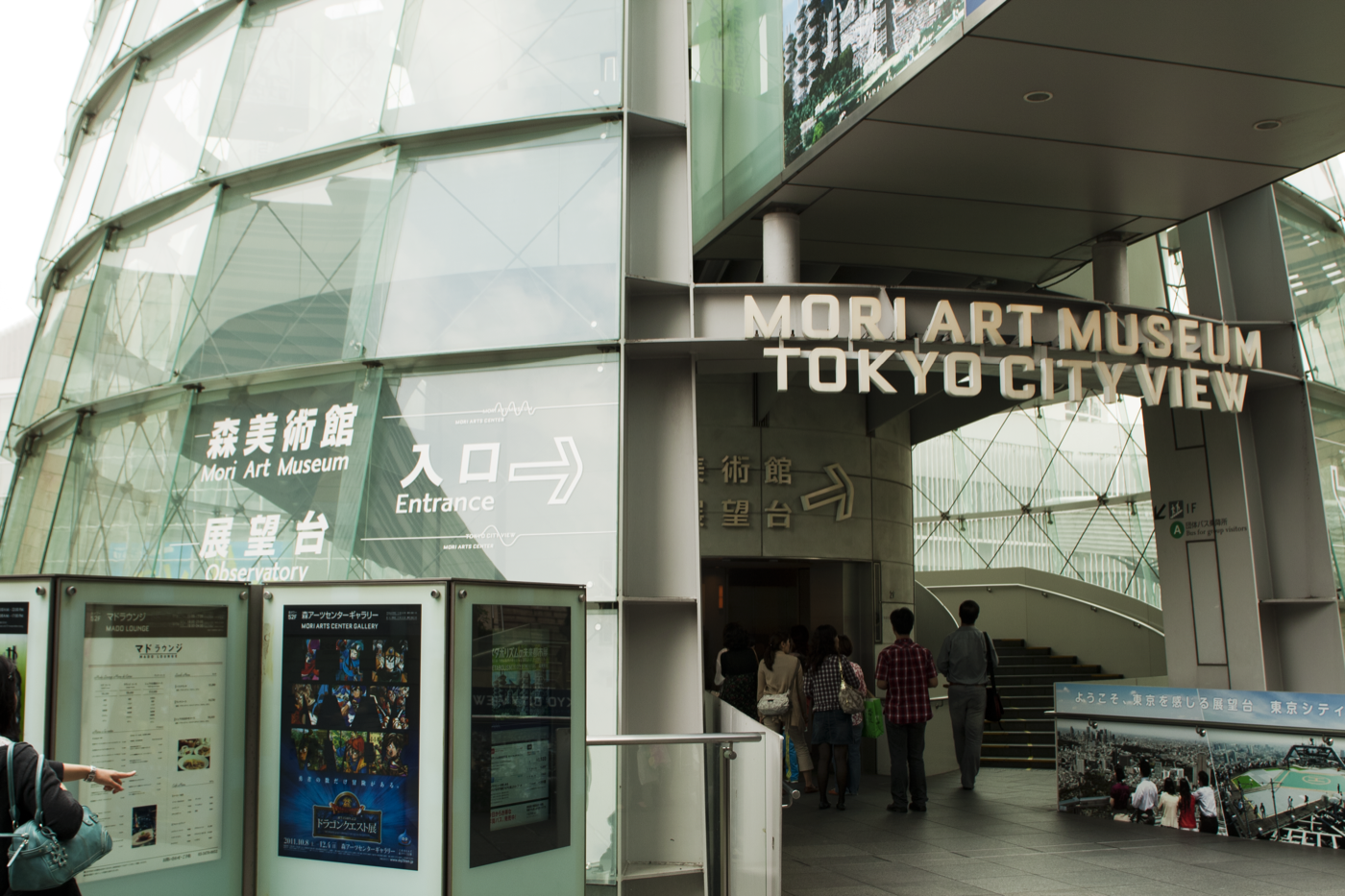
- #81Mori Art Museum🎨 Modern & Contemporary
- #82teamLab Borderless / Planets🎨 Modern & Contemporary
- #118Sumida Hokusai Museum🎭 Artist & Single-Subject
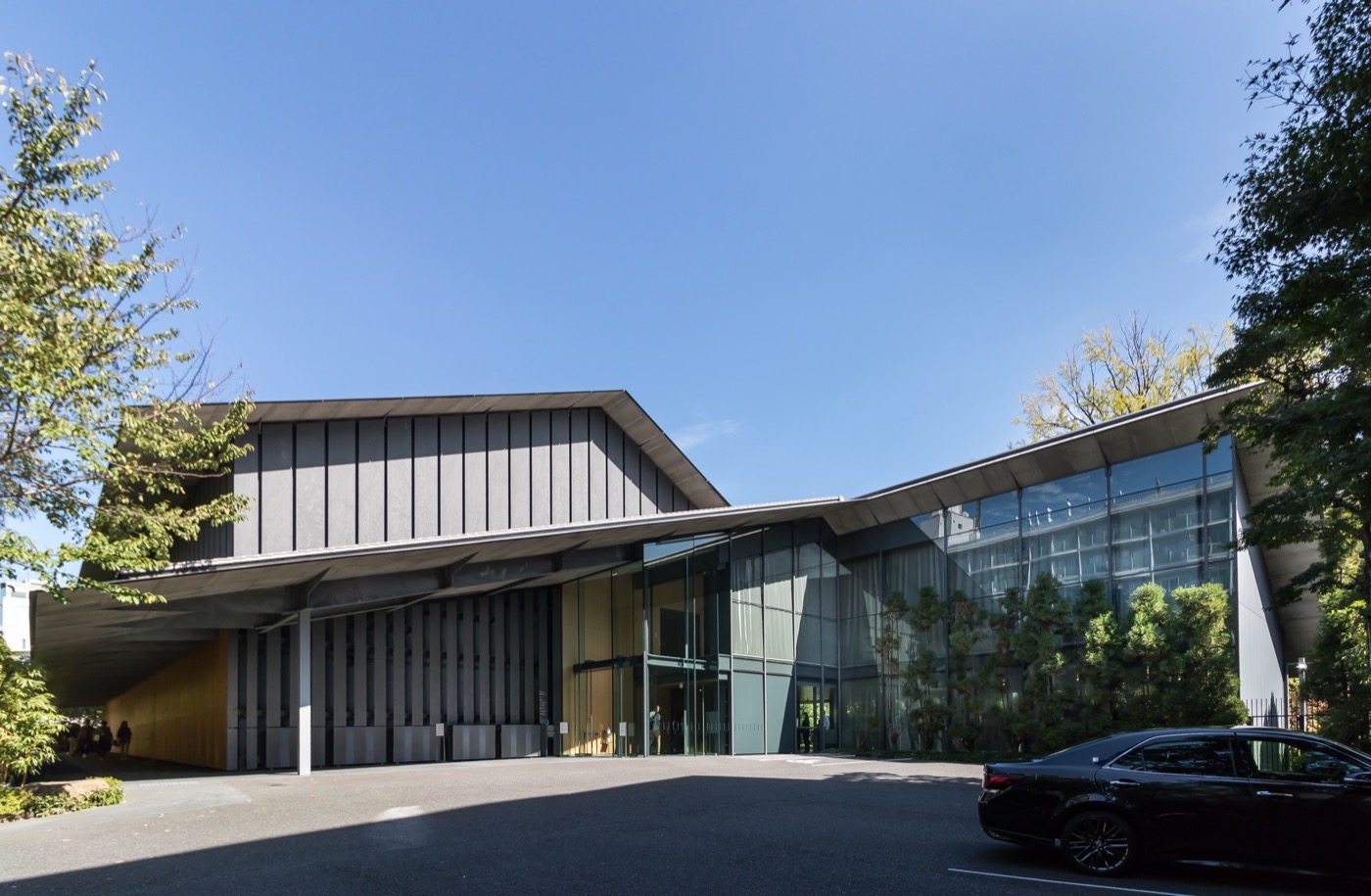
- #119Nezu Museum🖼️ Art & Encyclopedic
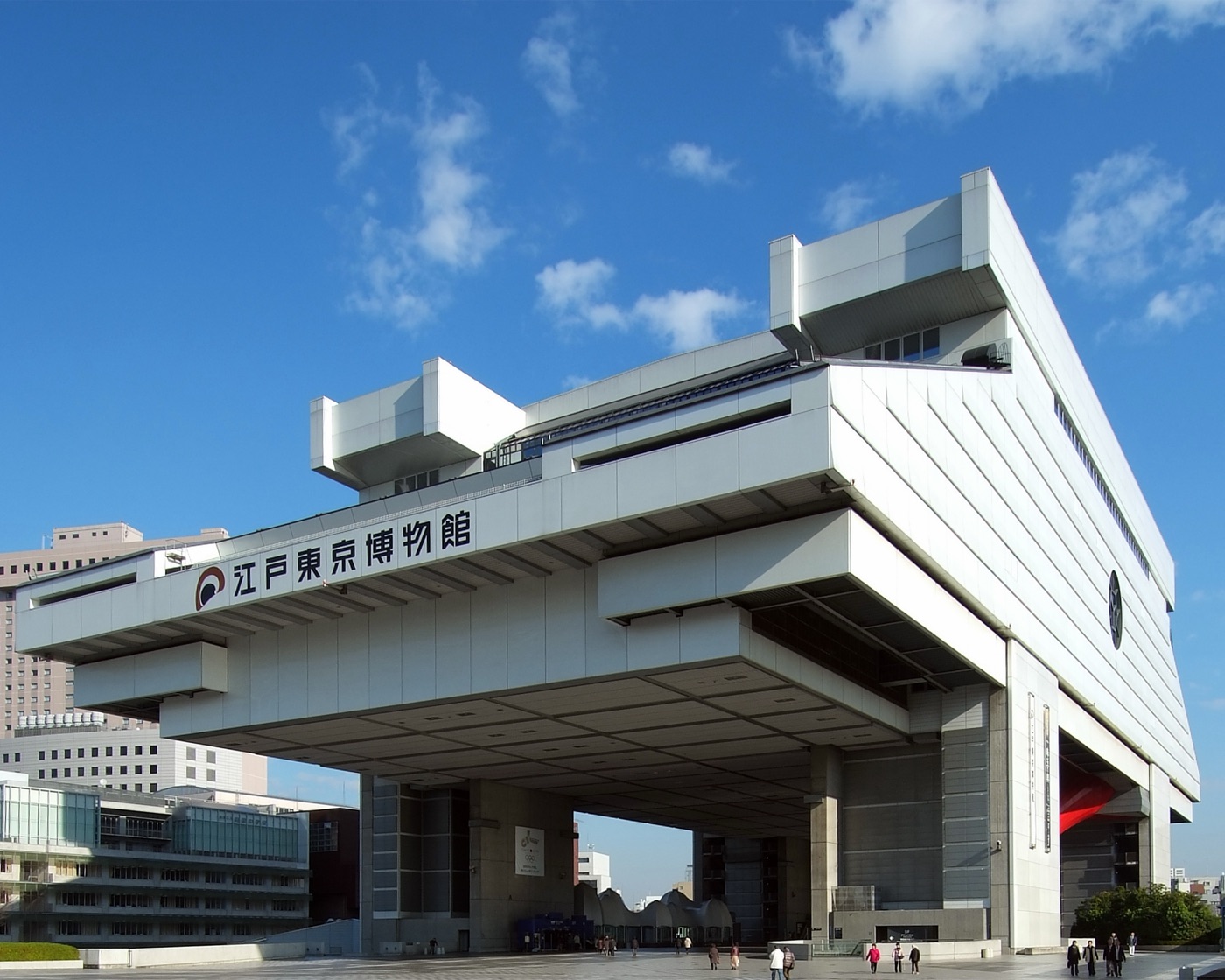
- #209Edo-Tokyo Museum / Edo-Tokyo Open Air Architectural Museum🏛️ History & Civilization
Top museums across Japan
Beyond Tokyo, Japan is home to world-class museums in other cities. If you are planning a wider trip, these are among the highest-ranked:
- #40Hiroshima Peace Memorial MuseumHiroshima
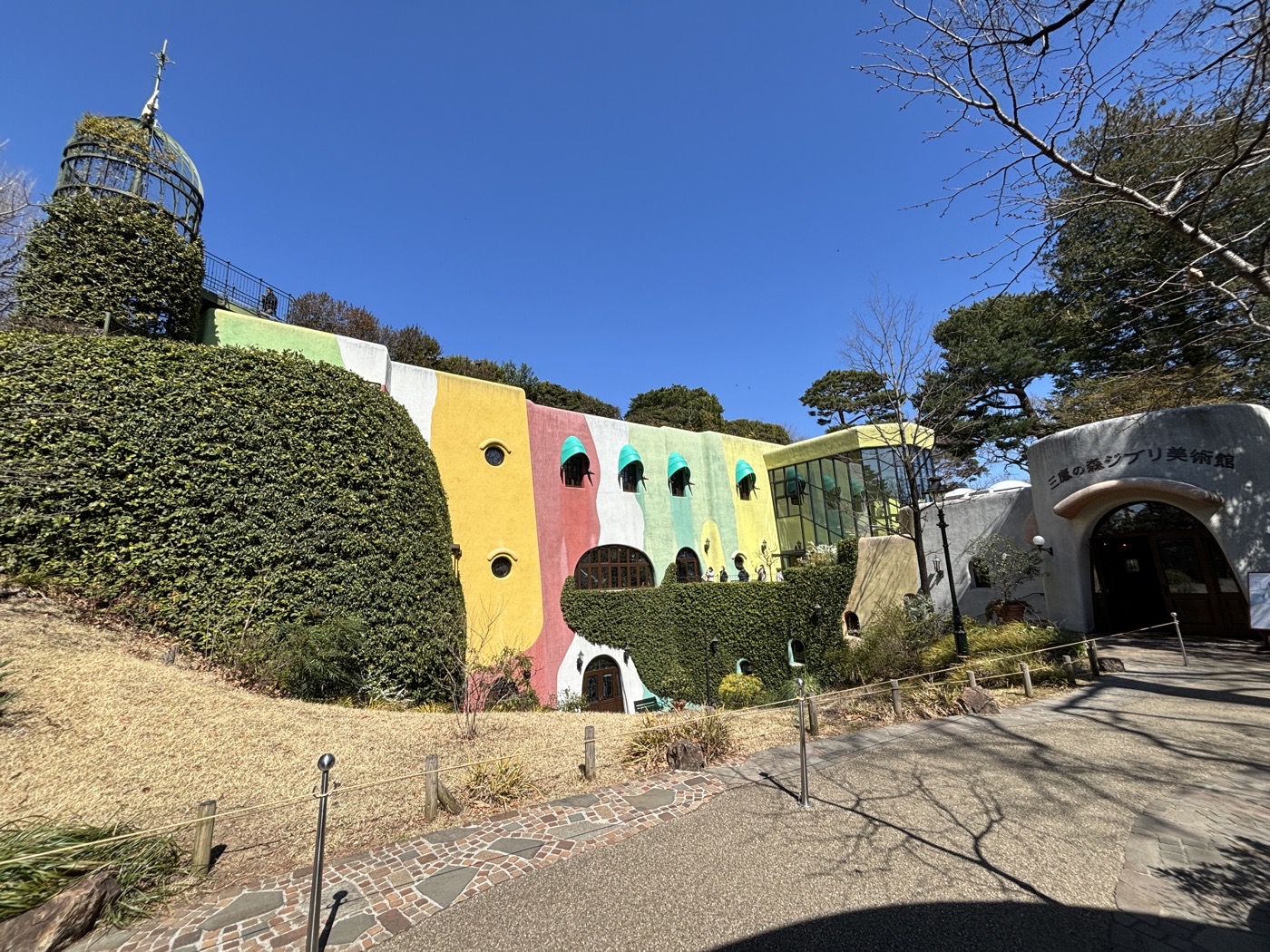
- #210Ghibli MuseumMitaka
- #211Kyoto National MuseumKyoto
- #212Nara National MuseumNara
About Tokyo's museum scene
Tokyo is one of the world's great museum cities, with 6 institutions featured in our editorial ranking alone. The city's museums collectively span art & encyclopedic, modern & contemporary, artist & single-subject, history & civilization — making it possible to spend several days exploring its cultural offerings without repeating a theme.
Tokyo National Museum fits into this landscape as the city's highest-ranked museum on our index on our global composite. Visitors with limited time should prioritise Tokyo National Museum alongside Mori Art Museum and teamLab Borderless / Planets, which together offer a well-rounded introduction to Tokyo's cultural identity.
For a full list of museums in Tokyo, see the individual museum pages linked below. Many are within walking distance of each other, making it feasible to visit two or three in a single day.
Frequently asked questions
What are the opening hours of Tokyo National Museum?
Tue–Sun 9:30–17:00. Closed Mon. We recommend checking the official website before your visit as hours may change on public holidays or during special events.
How long should I spend at Tokyo National Museum?
Most visitors recommend spending 2–4 hours for a comprehensive visit. If you are short on time, prioritise the must-see highlights listed above.
Where is Tokyo National Museum located?
Tokyo National Museum is located in Tokyo, Japan. The exact coordinates are 35.7188°, 139.7762°. You can find directions via Google Maps.
What is Tokyo National Museum known for?
Japan's oldest and largest museum. Key highlights include Honkan Japanese Gallery, Heiseikan archaeology, Toyokan Asian Gallery. The museum holds a 4.6/5 rating from 14,000 reviews.
How many people visit Tokyo National Museum each year?
Tokyo National Museum receives approximately 2,200,000 visitors per year, making it one of the most-visited museums in Japan.
When was Tokyo National Museum founded?
Tokyo National Museum was founded in 1872, making it 154 years old. It is categorised as a art & encyclopedic museum in our directory.
Is Tokyo National Museum worth visiting?
Yes. Tokyo National Museum ranks #28 in our global composite ranking of the world's best museums, based on TripAdvisor Travelers' Choice data, AECOM/TEA attendance figures, and coverage in publications like Condé Nast Traveler and National Geographic. The strong visitor ratings indicate a consistently rewarding experience.
What type of museum is Tokyo National Museum?
Tokyo National Museum is classified as a Art & Encyclopedic museum in our directory. It focuses on fine art and may include painting, sculpture, and decorative arts across multiple historical periods.
What are the must-see exhibits at Tokyo National Museum?
Our editorial team recommends prioritising: Honkan Japanese Gallery, Heiseikan archaeology, Toyokan Asian Gallery, Samurai swords & armour. There are also 4 additional highlights worth seeing if time allows.
Is Tokyo National Museum suitable for children?
Tokyo National Museum welcomes visitors of all ages. While the collection is primarily curated for adult audiences, families with children will find that many galleries engage younger visitors — particularly those featuring bold visual works, sculpture, and interactive installations. Family guides and activity sheets are often available at the information desk.
Can I take photographs inside Tokyo National Museum?
Photography without flash is generally permitted in the permanent galleries of Tokyo National Museum. Temporary exhibitions and certain loaned works may have restrictions — look for signage at gallery entrances. Tripods, selfie sticks, and professional equipment typically require advance permission. Video recording policies vary by section.
Is there a gift shop at Tokyo National Museum?
Yes. Tokyo National Museum has a museum shop offering exhibition catalogues, art prints, postcards, design objects, and books on art history. The shop is accessible without a museum ticket and is worth browsing — museum shops often stock items you will not find elsewhere in Tokyo.
Does Tokyo National Museum have a café or restaurant?
Most major museums of this calibre include at least one on-site café or restaurant. Tokyo National Museum offers dining options ranging from a casual café for quick refreshments to a restaurant serving fuller meals. During peak hours, the café can be busy — consider eating slightly before or after the standard lunch period. The surrounding area of Tokyo also offers plenty of dining alternatives within walking distance.
How do I get to Tokyo National Museum by public transport?
Tokyo National Museum is located in Tokyo, Japan. As a major city with excellent public transport, Tokyo makes reaching the museum straightforward — metro, bus, and tram connections typically serve the museum directly or bring you within a short walk.
Is there wheelchair access at Tokyo National Museum?
Tokyo National Museum provides wheelchair access to the principal exhibition areas. Lifts, ramps, and accessible restrooms are available. Wheelchairs can often be borrowed free of charge at the main entrance. Visitors with specific accessibility needs should contact the museum in advance to confirm current provisions, as renovation works may temporarily affect access to certain areas.
What is the best day to visit Tokyo National Museum?
Weekdays are generally quieter than weekends. Mid-morning arrivals after the initial rush often work well. If the museum offers late openings one or two evenings a week, those sessions tend to be particularly pleasant.
How much does it cost to visit Tokyo National Museum?
Ticket prices vary and are updated regularly on the museum's official website. Many museums offer discounts for students, seniors, families, and groups. City tourism cards and museum passes often include entry and are worth checking if you plan to visit multiple attractions in Tokyo.
Can I visit Tokyo National Museum with a guided tour?
Yes. Tokyo National Museum offers audio guides and scheduled group tours that cover the collection highlights with expert commentary. Private tours may be arranged for groups. During peak season, guided tours fill quickly — book in advance through the museum's website. For independent visitors, the audio guide is an excellent alternative that allows you to set your own pace.
What should I see first at Tokyo National Museum?
Start with the museum's most celebrated works: Honkan Japanese Gallery, Heiseikan archaeology, Toyokan Asian Gallery. These are the objects that define Tokyo National Museum's reputation and should be seen when your attention is freshest. Given the museum's size, trying to see everything in one visit is counterproductive — focus on the highlights and allow yourself to be drawn into quieter galleries as time permits. The museum's information desk can provide a recommended route based on your available time and interests.
Does Tokyo National Museum have temporary exhibitions?
Yes. Tokyo National Museum maintains an active programme of temporary exhibitions that complement and extend the permanent collection. These rotating shows range from blockbuster international shows to focused scholarly presentations and emerging artist showcases. Temporary exhibitions may require a separate ticket. Check the museum's website for current and upcoming shows before your visit — some are worth timing a trip around.
Is Tokyo National Museum crowded?
Tokyo National Museum attracts significant visitor numbers but is rarely unmanageably crowded outside of peak holiday periods. Weekday visits and off-season timing help ensure a comfortable experience.