About Musée Magritte
Part of the Royal Museums of Fine Arts of Belgium, the Magritte Museum holds the world's largest collection of works by René Magritte.
Founded in 2009, Musée Magritte has been welcoming visitors for over 17 years. Today it draws approximately 350,000 visitors annually, making it one of the most-visited artist & single-subject museums in the world. Located in Brussels, Belgium, the museum holds a rating of 4.4 out of 5 based on 9,000 traveller reviews, reflecting its enduring appeal to both first-time visitors and returning enthusiasts.
A visitor's perspective
Dedicated to the vision of a single creative mind, Musée Magritte offers something that encyclopedic museums cannot: depth. walking into the main hall, you are entering the world of one artist — their evolution, their obsessions, their failures, and their triumphs, laid out across rooms that trace a career from early experiments to mature masterworks.
The collection at Musée Magritte allows you to see what group exhibitions obscure: the arc of a creative life. Works like Empire of Light series and Domain of Arnheim represent peak achievements, but the studies, sketches, and lesser-known pieces around them reveal the process behind the product. In the golden hour warmth, the galleries feel intimate — you are not sharing the artist with a hundred other names, and that focus is liberating.
The museum is pleasantly occupied without being overwhelming. Single-artist museums tend to attract devoted visitors rather than casual tourists, which creates a quieter, more contemplative atmosphere. As a relatively young institution, it brings a fresh curatorial perspective to its subject, free from the weight of institutional tradition.
Leaving Musée Magritte, you understand not just what the artist made but why they made it — and that understanding enriches every encounter with their work in other museums around the world. This is the particular gift of the single-artist museum: it transforms you from a viewer into something closer to a reader.
Exhibition highlights at Musée Magritte
As a museum dedicated to a single creative vision, Musée Magritte offers unparalleled depth in its subject. The permanent collection traces the artist's career from early works through the experiments and breakthroughs that defined their mature style. Key works include Empire of Light series, Domain of Arnheim, Magritte's letters and films, each representing a different phase of the artist's development. Preparatory sketches, correspondence, personal effects, and photographs of the artist's studio provide context that group exhibitions in larger museums rarely offer. The museum's scholarship — reflected in its publications, educational programmes, and loan exhibitions — ensures that the artist's reputation continues to evolve rather than calcify. Temporary exhibitions often explore specific themes, periods, or relationships within the artist's body of work, offering fresh perspectives even for repeat visitors.
Why visit Musée Magritte
Musée Magritte is one of those institutions where the experience goes beyond simply looking at exhibits. Whether you are a dedicated artist & single-subject enthusiast or a casual visitor exploring Brussels, here is why this museum deserves a spot on your itinerary:
- 1.World-class artist & single-subject collection — Musée Magritte houses a collection that has earned it a #86 ranking in our global composite index. Signature pieces include Empire of Light series and Domain of Arnheim, alongside many others that reward close attention.
- 2.Brussels as a cultural destination — Brussels is home to 1 museums on our editorial ranking. Visiting Musée Magritte positions you in one of Belgium's most museum-rich cities, making it easy to combine multiple visits.
- 3.A modern institution with ambition — Founded in 2009, Musée Magritte has rapidly established itself as a must-visit destination, proving that newer museums can rival century-old institutions.
- 4.Highly rated by visitors — A 4.4/5 rating from 9,000 reviews demonstrates solid visitor satisfaction. Visitors note that the sheer scale of the collection justifies the extended visit time.
The collection at Musée Magritte
The collection at Musée Magritte is defined by its focus on artist & single-subject subjects, with signature exhibits that include Empire of Light series, Domain of Arnheim, Magritte's letters and films. The museum welcomes approximately 350,000 visitors each year.
Why Musée Magritte ranks #86
Our editorial ranking blends data from TripAdvisor Travelers' Choice awards, AECOM/TEA annual attendance figures, and coverage in leading travel publications including Condé Nast Traveler, Time Out, National Geographic and The Times. At #86 in our composite ranking, Musée Magritte represents the kind of institution that rewards a deliberate visit — less visited than the mega-museums, but no less rewarding in what it offers. Key recognitions include: TripAdvisor Travelers' Choice.
Must-see highlights
With a recommended visit time of 1.5 hours, planning your route through Musée Magritte is essential. Here are the standout works and spaces that should be at the top of your list:
- ◆Empire of Light series
- ◆Domain of Arnheim
- ◆Magritte's letters and films
- ◆The Return
Recognition & awards
Musée Magritte has received recognition from multiple authoritative sources in the museum and travel industry:
Planning your visit
A visit to Musée Magritte is one of the highlights of any trip to Brussels. Here is everything you need to know to plan a smooth, enjoyable visit.
Opening hours: Tue–Sun 10:00–17:00. Closed Mon. Hours may vary on public holidays and during special events, so we recommend checking the museum's official website before your visit.
How long to spend: Most visitors recommend setting aside 1.5 hours for a thorough visit. If you are short on time, focus on the highlights listed above and consider purchasing a skip-the-line ticket to maximise your time inside.
Best time to visit: Musée Magritte is rarely overwhelmingly crowded, but mornings remain the best time to visit for a peaceful experience. Weekdays are generally quieter than weekends.
Getting there: Musée Magritte is located in Brussels, Belgium at coordinates 50.8429°N, 4.3578°E. Depending on your accommodation in Brussels, the museum may be reachable on foot, by public transport, or by taxi. View on Google Maps →
Tickets and pricing: Check the museum's official website for current ticket prices and any available discounts for students, seniors or families. Advance online booking is recommended, especially during peak season, as it often allows you to skip the main queue.
Visitor tips: Given the size of this museum, comfortable shoes are essential. Consider splitting your visit across two days if your schedule allows. The museum likely has a cloakroom where you can leave bags and coats. Check the official website for any temporary closures, special exhibitions and advance booking requirements.
Accessibility: Most major museums offer wheelchair access, audio guides, and materials in multiple languages. Contact Musée Magritte directly for specific accessibility provisions, including guided tours for visitors with visual or hearing impairments.
Best season to visit: Spring (April–May) and autumn (September–October) offer the best balance of pleasant weather and manageable crowds. Summer brings peak tourism and longer opening hours, while winter offers shorter queues but reduced daylight.
How to plan your time: This is a full-day museum. Attempting to see everything in a single visit is unrealistic — prioritise the highlights listed above and return if your schedule allows. Many visitors find that splitting the visit across two mornings is more rewarding than one exhausting marathon.
Photography policy: Photography without flash is generally permitted in permanent galleries, though some temporary exhibitions and loan objects may have restrictions. Tripods and selfie sticks are typically not allowed.
Guided tours and audio guides: Audio guides are available in several languages and cover the main highlights with informed commentary. Musée Magritte also offers scheduled guided tours led by museum educators, which are worth joining if your timing aligns. For specialist interests, some museums offer themed tours focusing on specific periods, media, or curatorial themes.
Detailed accessibility information: Musée Magritte offers wheelchair access to the main exhibition areas, with ramps and lifts provided. Audio guides, large-print materials, and tactile resources for visitors with visual impairments are available on request. Visitors with mobility needs should enquire about wheelchairs available for loan at the entrance. The museum recommends contacting them in advance for visitors with specific access requirements, as some galleries may be temporarily restricted during renovation works.
Nearby attractions: Brussels offers plenty of cultural attractions within easy reach of Musée Magritte. The area around the museum is worth exploring on foot, with local restaurants, shops, and architectural points of interest within walking distance.
History of Musée Magritte
Musée Magritte was established in 2009, a relatively modern institution that has quickly earned international recognition. Over the decades, it has grown from its original collection to become a major cultural landmark in Brussels. With 350,000 annual visitors, it plays a vital role in Belgium's cultural tourism economy and stands as one of the most important artist & single-subject museums in the Europe region.
Founded in 2009, Musée Magritte belongs to a generation of European museums established in the 20th century with explicitly modern mandates. Free from the weight of centuries-old collections, it was able to build a focused, contemporary identity from the outset. Belgium's cultural investment policies have supported the institution through expansion and renovation, ensuring it remains relevant to contemporary audiences.
Since 2009, Musée Magritte has moved with notable speed from newcomer to established cultural landmark. Belgium's investment in cultural infrastructure has supported this trajectory, and the museum has reciprocated by attracting international attention, high-profile temporary exhibitions, and scholarly recognition that belies its relatively short history.
Other top artist & single-subject museums
If you enjoy artist & single-subject museums like Musée Magritte, you may also want to explore these highly-ranked institutions in the same category:
- #20Musée RodinParis, France
- #21Van Gogh MuseumAmsterdam, Netherlands
- #22Picasso Museum (Musée Picasso Paris)Paris, France
- #53Frida Kahlo Museum (Casa Azul)Mexico City, Mexico
- #54Munch Museum (MUNCH)Oslo, Norway
Top museums across Belgium
Beyond Brussels, Belgium is home to world-class museums in other cities. If you are planning a wider trip, these are among the highest-ranked:
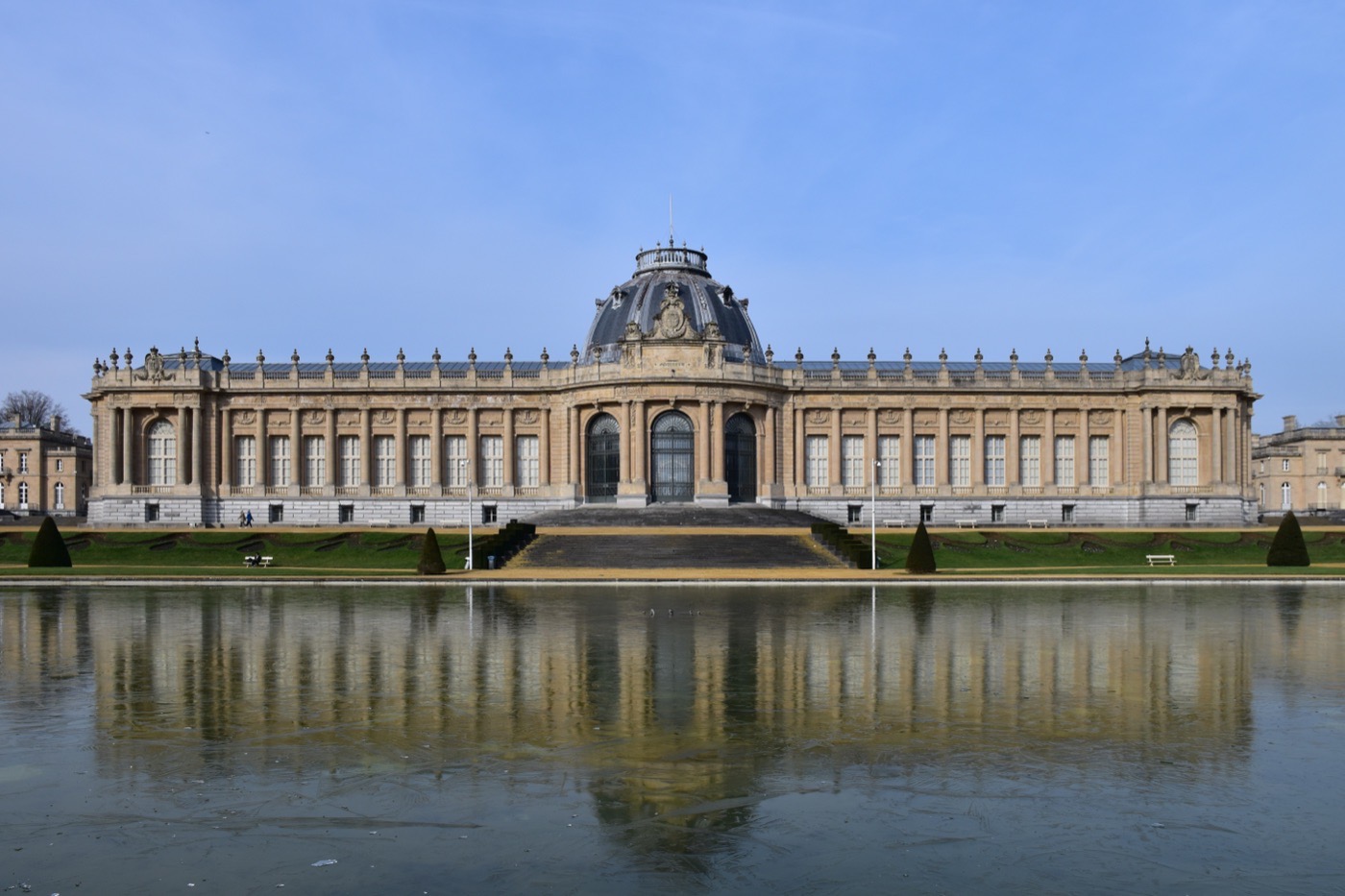
- #126Royal Museum for Central AfricaTervuren
Frequently asked questions
What are the opening hours of Musée Magritte?
Tue–Sun 10:00–17:00. Closed Mon. We recommend checking the official website before your visit as hours may change on public holidays or during special events.
How long should I spend at Musée Magritte?
Most visitors recommend spending 1.5 hours for a comprehensive visit. If you are short on time, prioritise the must-see highlights listed above.
Where is Musée Magritte located?
Musée Magritte is located in Brussels, Belgium. The exact coordinates are 50.8429°, 4.3578°. You can find directions via Google Maps.
What is Musée Magritte known for?
Surrealism in three floors. Key highlights include Empire of Light series, Domain of Arnheim, Magritte's letters and films. The museum holds a 4.4/5 rating from 9,000 reviews.
How many people visit Musée Magritte each year?
Musée Magritte receives approximately 350,000 visitors per year, making it one of the most-visited museums in Belgium.
When was Musée Magritte founded?
Musée Magritte was founded in 2009, making it 17 years old. It is categorised as a artist & single-subject museum in our directory.
Is Musée Magritte worth visiting?
Yes. Musée Magritte ranks #86 in our global composite ranking of the world's best museums, based on TripAdvisor Travelers' Choice data, AECOM/TEA attendance figures, and coverage in publications like Condé Nast Traveler and National Geographic. The strong visitor ratings indicate a consistently rewarding experience.
What type of museum is Musée Magritte?
Musée Magritte is classified as a Artist & Single-Subject museum in our directory. It falls under the artist & single-subject category.
What are the must-see exhibits at Musée Magritte?
Our editorial team recommends prioritising: Empire of Light series, Domain of Arnheim, Magritte's letters and films, The Return. These represent the core of what makes this museum exceptional.
Is Musée Magritte suitable for children?
Musée Magritte welcomes visitors of all ages. While the collection is primarily curated for adult audiences, families with children will find that many galleries engage younger visitors — particularly those featuring tangible objects with clear stories. Family guides and activity sheets are often available at the information desk.
Can I take photographs inside Musée Magritte?
Photography without flash is generally permitted in the permanent galleries of Musée Magritte. Temporary exhibitions and certain loaned works may have restrictions — look for signage at gallery entrances. Tripods, selfie sticks, and professional equipment typically require advance permission. Video recording policies vary by section.
Is there a gift shop at Musée Magritte?
Yes. Musée Magritte has a museum shop offering guidebooks, postcards, themed merchandise, and publications related to the collection. The shop is accessible without a museum ticket and is worth browsing — museum shops often stock items you will not find elsewhere in Brussels.
Does Musée Magritte have a café or restaurant?
Most major museums of this calibre include at least one on-site café or restaurant. Musée Magritte has a café serving light meals, coffee, and pastries, usually accessible both to museum visitors and the general public. The café provides a pleasant rest stop during your visit. The surrounding area of Brussels also offers plenty of dining alternatives within walking distance.
How do I get to Musée Magritte by public transport?
Musée Magritte is located in Brussels, Belgium. Check the museum's website for specific directions from local transport hubs. Depending on Brussels's infrastructure, you may arrive by metro, bus, tram, taxi, or on foot from nearby accommodations.
Is there wheelchair access at Musée Magritte?
Musée Magritte provides wheelchair access to all major exhibition galleries. Lifts, ramps, and accessible restrooms are available. Wheelchairs can often be borrowed free of charge at the main entrance. Visitors with specific accessibility needs should contact the museum in advance to confirm current provisions, as renovation works may temporarily affect access to certain areas.
What is the best day to visit Musée Magritte?
Musée Magritte is rarely overwhelmingly crowded, so any day works well. That said, weekday mornings offer the most peaceful experience. Weekend mornings can see family groups, particularly at museums with strong educational programming.
How much does it cost to visit Musée Magritte?
Ticket prices vary and are updated regularly on the museum's official website. Many museums offer discounts for students, seniors, families, and groups. City tourism cards and museum passes often include entry and are worth checking if you plan to visit multiple attractions in Brussels.
Can I visit Musée Magritte with a guided tour?
Yes. Musée Magritte offers regularly scheduled guided tours in several languages, led by museum educators who provide expert commentary and behind-the-scenes insights. Private tours may be arranged for groups. Tours can often be joined on the day, but advance booking is recommended. For independent visitors, the audio guide is an excellent alternative that allows you to set your own pace.
What should I see first at Musée Magritte?
Start with the museum's most celebrated works: Empire of Light series, Domain of Arnheim, Magritte's letters and films. These are the objects that define Musée Magritte's reputation and should be seen when your attention is freshest. Given the museum's size, trying to see everything in one visit is counterproductive — focus on the highlights and allow yourself to be drawn into quieter galleries as time permits. The museum's information desk can provide a recommended route based on your available time and interests.
Does Musée Magritte have temporary exhibitions?
Yes. Musée Magritte maintains an active programme of temporary exhibitions that complement and extend the permanent collection. These rotating shows often feature international loans, new acquisitions, and thematic explorations that offer fresh perspectives on the collection. Temporary exhibitions may require a separate ticket. Check the museum's website for current and upcoming shows before your visit — some are worth timing a trip around.
Is Musée Magritte crowded?
Musée Magritte is generally not excessively crowded, allowing visitors to engage with the collection at their own pace. Weekday mornings are the quietest.