About Palace Museum (Forbidden City)
Home to 24 emperors of the Ming and Qing dynasties, the Forbidden City holds over 1.8 million artefacts inside 980 surviving buildings across 72 hectares.
Constructed between 1406 and 1420 under the Yongle Emperor, the Forbidden City served as the ceremonial and political centre of Chinese governance for nearly 500 years. Its 72-hectare compound — the largest palatial structure on earth — was designed according to strict feng shui principles, with the central axis aligned north-south and major halls positioned to reflect Confucian ideals of cosmic order. Visitors enter through the Meridian Gate and progress through a sequence of increasingly intimate spaces: from the vast public courtyards of the Outer Court, where emperors held grand audiences, to the Inner Court where the imperial family lived. The Hall of Supreme Harmony, the largest surviving wooden structure of its kind, was reserved for coronations, imperial weddings and New Year ceremonies. Beyond the grand halls, the Treasure Gallery houses gold and silver relics, jade carvings, and the personal effects of Qing emperors, while the Clock Gallery displays an astonishing collection of 18th-century European mechanical timepieces gifted by foreign envoys. The palace became a public museum in 1925 following the abdication of the last emperor, Puyi. Today, restoration work has opened previously sealed sections including the Hall of Mental Cultivation and parts of the western palaces, giving visitors access to rooms last occupied by Empress Dowager Cixi. Advance booking is essential — daily visitor caps of 80,000 are frequently reached by mid-morning, especially during national holidays and October's Golden Week.
Notable collections
Palace Museum (Forbidden City) is home to several collections of international significance. These holdings distinguish it from other palace & royal institutions and represent the depth of its curatorial programme:
- ◆Imperial ceramics spanning Song, Yuan, Ming and Qing dynasties — the world's largest collection
- ◆Ancient Chinese painting and calligraphy scrolls including works by Zhao Mengfu and Wang Xizhi
- ◆Qing imperial jade collection with over 30,000 carved pieces
- ◆Ming dynasty lacquerware and cloisonné enamelware
- ◆European mechanical clocks and automata from the 17th–19th centuries
Why Palace Museum (Forbidden City) ranks #19
Our editorial ranking blends data from TripAdvisor Travelers' Choice awards, AECOM/TEA annual attendance figures, and coverage in leading travel publications including Condé Nast Traveler, Time Out, National Geographic and The Times. Ranking at #19, Palace Museum (Forbidden City) is one of the fifty most acclaimed museums on our composite index — a destination that serious museum-goers and casual visitors alike should have on their list. Key recognitions include: UNESCO World Heritage, AECOM #2 attendance.
Must-see highlights
With a recommended visit time of 3–5 hours, planning your route through Palace Museum (Forbidden City) is essential. Here are the standout works and spaces that should be at the top of your list:
- ◆Hall of Supreme Harmony
- ◆Imperial Garden
- ◆Treasure Gallery
- ◆Clock Gallery
- ◆Nine Dragon Wall
- ◆Meridian Gate
- ◆Hall of Mental Cultivation
- ◆Palace of Eternal Longevity
Recognition & awards
Palace Museum (Forbidden City) has received recognition from multiple authoritative sources in the museum and travel industry:
Planning your visit
Opening hours: Tue–Sun 8:30–17:00 (winter until 16:30). Closed Mon.
How long to spend: Most visitors recommend setting aside 3–5 hours for a thorough visit. If you are short on time, focus on the highlights listed above and consider purchasing a skip-the-line ticket to maximise your time inside.
Getting there: Palace Museum (Forbidden City) is located in Beijing, China at coordinates 39.9163°N, 116.3972°E. View on Google Maps →
Visitor tips: Given the size of this museum, comfortable shoes are essential. Consider splitting your visit across two days if your schedule allows. Check the official website for any temporary closures, special exhibitions and advance booking requirements.
History of Palace Museum (Forbidden City)
Palace Museum (Forbidden City) was established in 1925, giving it over a century of continuous operation as a cultural institution. Today, Palace Museum (Forbidden City) stands as a defining institution of Beijing's cultural identity. With 17,000,000 annual visitors, it plays a vital role in China's cultural tourism economy and stands as one of the most important palace & royal museums in the Asia region.
Other top palace & royal museums
If you enjoy palace & royal museums like Palace Museum (Forbidden City), you may also want to explore these highly-ranked institutions in the same category:
- #47Topkapi Palace MuseumIstanbul, Turkey
- #144Schloss CharlottenburgBerlin, Germany
- #196Doge's Palace (Palazzo Ducale)Venice, Italy
More museums in Beijing
Beijing is home to 2 museums on our editorial ranking. If you are visiting the city, consider combining your trip to Palace Museum (Forbidden City) with these nearby institutions:
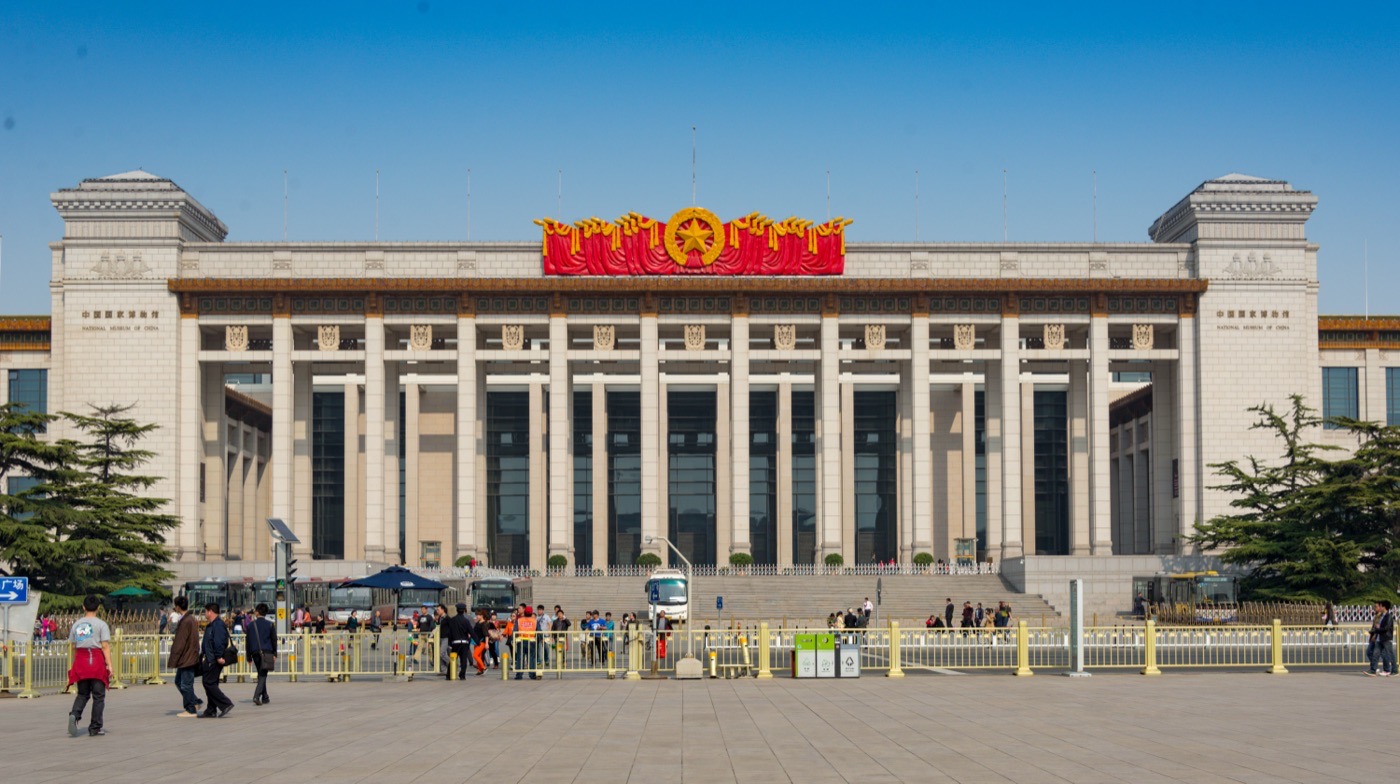
- #92National Museum of China🏛️ History & Civilization
Top museums across China
Beyond Beijing, China is home to world-class museums in other cities. If you are planning a wider trip, these are among the highest-ranked:
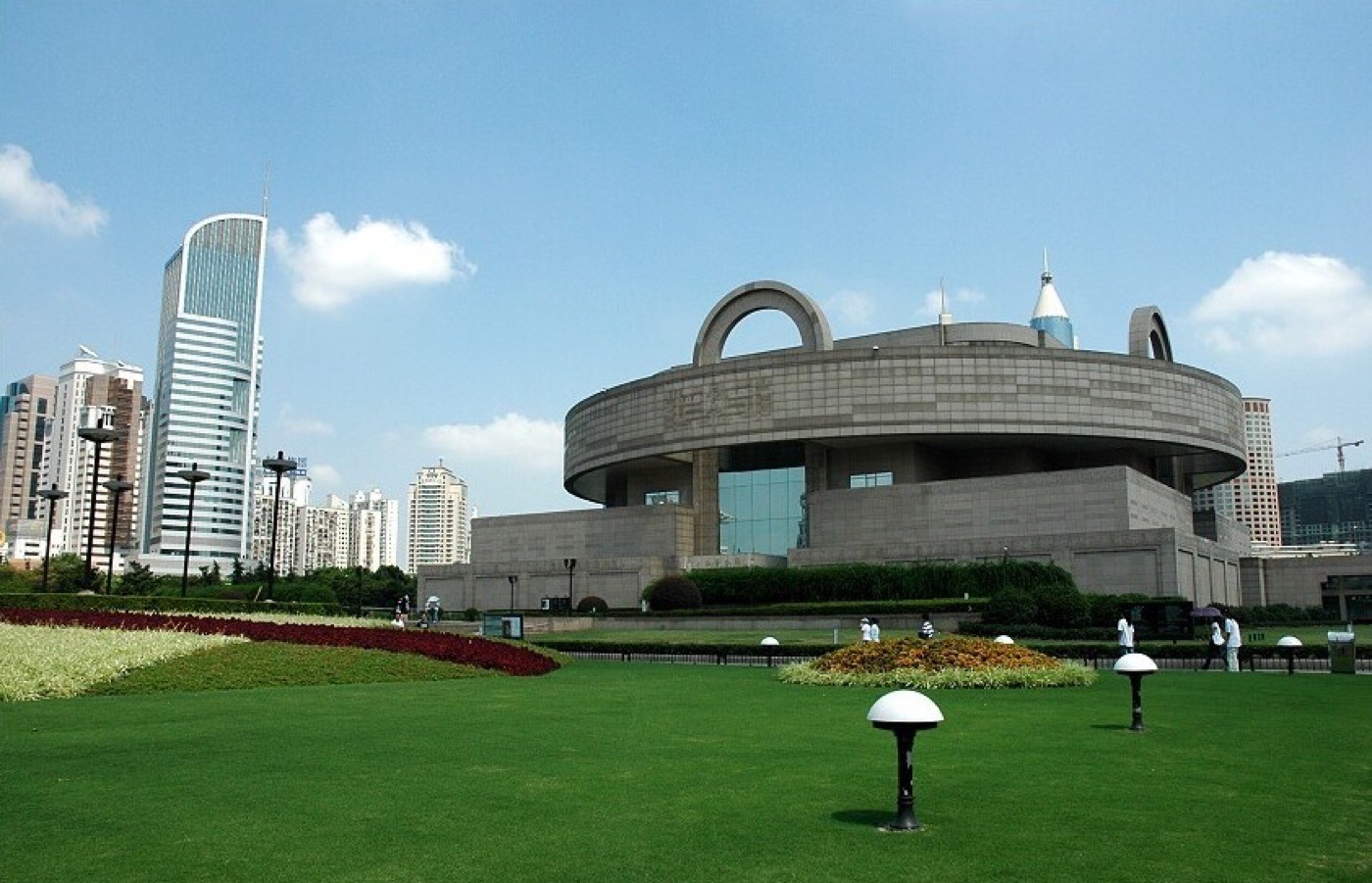
- #69Shanghai MuseumShanghai
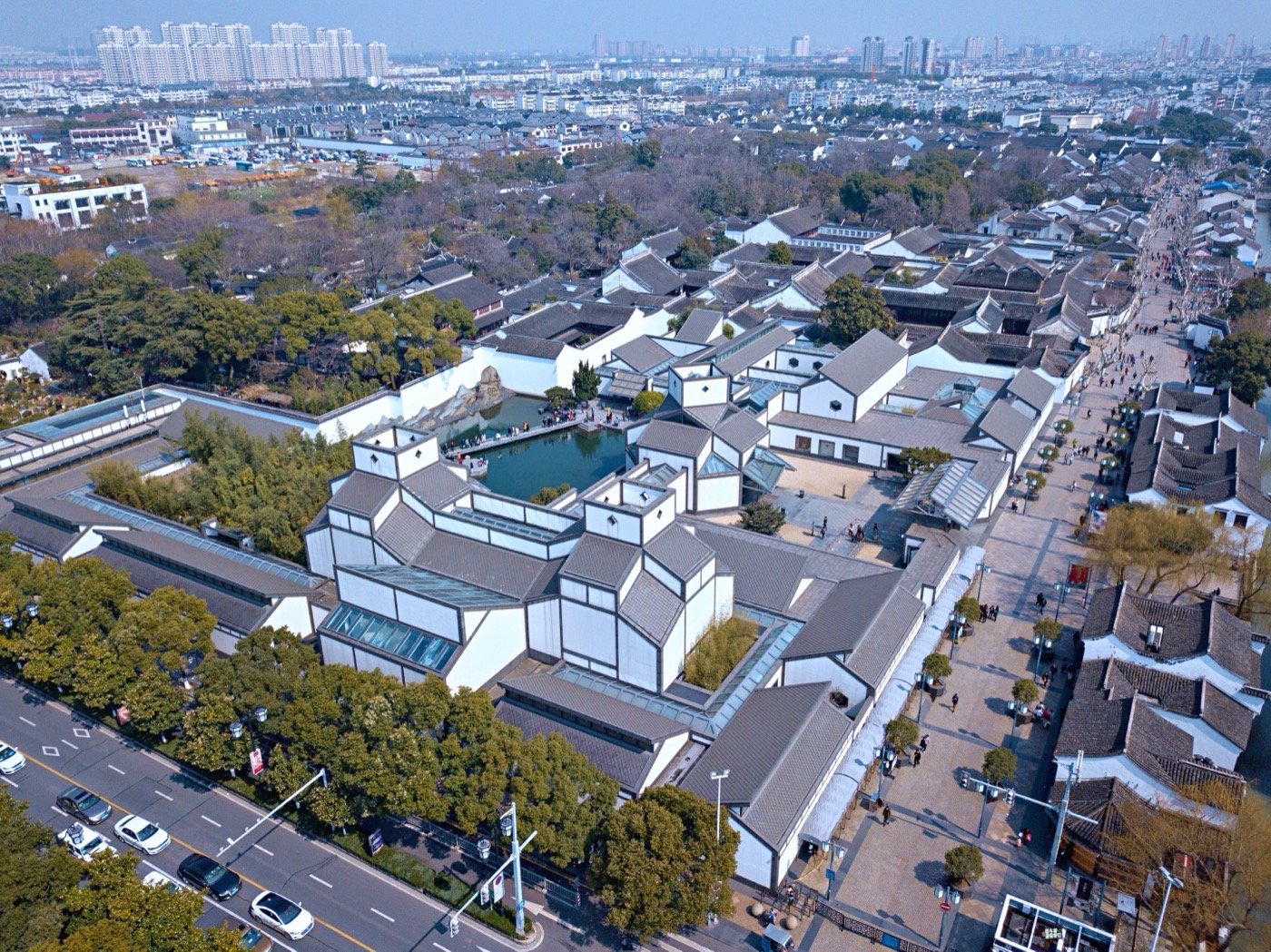
- #207Suzhou MuseumSuzhou
Frequently asked questions
What are the opening hours of Palace Museum (Forbidden City)?
Tue–Sun 8:30–17:00 (winter until 16:30). Closed Mon. We recommend checking the official website before your visit as hours may change on public holidays or during special events.
How long should I spend at Palace Museum (Forbidden City)?
Most visitors recommend spending 3–5 hours for a comprehensive visit. If you are short on time, prioritise the must-see highlights listed above.
Where is Palace Museum (Forbidden City) located?
Palace Museum (Forbidden City) is located in Beijing, China. The exact coordinates are 39.9163°, 116.3972°. You can find directions via Google Maps.
What is Palace Museum (Forbidden City) known for?
The world's largest palace complex. Key highlights include Hall of Supreme Harmony, Imperial Garden, Treasure Gallery. The museum holds a 4.7/5 rating from 32,000 reviews.
How many people visit Palace Museum (Forbidden City) each year?
Palace Museum (Forbidden City) receives approximately 17,000,000 visitors per year, making it one of the most-visited museums in China.
When was Palace Museum (Forbidden City) founded?
Palace Museum (Forbidden City) was founded in 1925, making it 101 years old. It is categorised as a palace & royal museum in our directory.